Games from the 2000s occupy a strange place in my backlog. They are old enough to trigger strong memories, but recent enough that many still feel recognizable after a modern controller, a widescreen television, and a long day at work. The problem is that nostalgia can make every remembered favorite sound essential. With limited free time, I would rather know which games remain genuinely enjoyable and which are better as a memory.
My standard is simple: would I recommend it to a busy adult in 2026? That means considering controls, pacing, save systems, camera behavior, loading, and whether the original version is still easy to access. Some games from the 2000s need patience. Others are still remarkably direct, generous, and fun within the first fifteen minutes.
The PS2 games that still feel easy to recommend
The PlayStation 2 library is full of games from the 2000s that remain approachable because their basic ideas are clear. Ratchet & Clank: Up Your Arsenal still delivers satisfying shooting, quick movement, and a campaign that rarely outstays its welcome. It is colorful without being childish, and its weapon variety gives short evening sessions a clear sense of progress.
Katamari Damacy is another excellent return. The controls are unusual for about ten minutes, then the simple act of rolling objects into an increasingly ridiculous ball becomes almost meditative. Shadow of the Colossus remains more demanding emotionally and technically. Its empty landscapes, deliberate climbing, and strange scale still work, although the camera and occasional climbing frustration are reminders that this is not a modern action game.
God of War is worth revisiting for its spectacle and aggressive combat, but its harsher quick-time events and uneven puzzles show their age. If you have six hours this weekend, Ratchet & Clank is the safer recommendation. If you want atmosphere and can accept slower movement, Shadow of the Colossus still has a stronger afterimage.
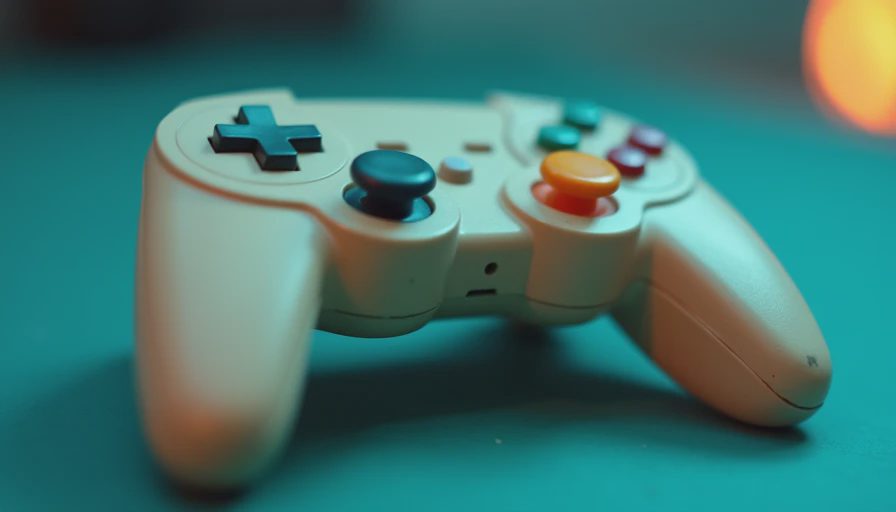
Xbox and GameCube: different strengths, same lesson
Several games from the 2000s on Xbox and GameCube remain excellent because they focus on movement rather than elaborate menus. Halo 3 is still a strong couch or online shooter when played with people who understand its slower, more deliberate rhythm. The weapons are readable, enemy encounters have room to breathe, and the campaign can be enjoyed in manageable chunks.
On GameCube, Metroid Prime remains one of the best examples of translating exploration into first person. Scanning every object is optional, but the world rewards attention, backtracking, and remembering where a new ability might help. Its map can feel less helpful than modern equivalents, yet the atmosphere has not faded. Resident Evil 4 is more immediately playable, with a confident pace and memorable encounters, though its stop-to-shoot design is much less fluid than current third-person action games.
The honest call is to choose based on tolerance. Halo 3 works when you want momentum and replayable combat. Metroid Prime works when you want a quiet, focused world. Resident Evil 4 works when you want a campaign that keeps making bold decisions. These games from the 2000s are not interchangeable, and that is part of why they still deserve room on a modern backlog.
Handheld games that respect a busy schedule
Portable games from the 2000s may be the easiest to revisit because their structure fits real adult life. The Nintendo DS version of The World Ends with You is dense, stylish, and still unusual, but its dual-screen combat asks for attention that is difficult to give while distracted. Phoenix Wright: Ace Attorney is a better fit for short sessions. Its courtroom chapters create natural stopping points, and the exaggerated writing remains entertaining without requiring fast reflexes.
Mario & Luigi: Bowser's Inside Story is another strong choice. It combines straightforward role-playing with timed attacks and a consistently playful tone. The story is not trying to be profound, but the battles stay active and the jokes keep the long campaign moving. On Game Boy Advance, Metroid: Zero Mission offers compact exploration and excellent controls, making it a practical first step for anyone who missed the series.
These games prove that replay value is not always about hundreds of hours. A title with a clean chapter structure can be more useful than a massive open world when your available time arrives in twenty-minute pieces.
PC classics need the right setup
PC games from the 2000s often remain brilliant but require more preparation than their console counterparts. Half-Life 2 is still an easy recommendation because its physics, pacing, and environmental storytelling remain integrated rather than decorative. The opening hours build confidence gradually, and the campaign keeps introducing new ways to use familiar tools.
The original BioShock still has a powerful setting and excellent sound design, but its shooting can feel loose compared with newer first-person games. System Shock 2 is more difficult to recommend blindly. Its atmosphere and role-playing systems are exceptional, yet the interface and combat demand patience. For many players, Deus Ex is similar: historically important, highly flexible, and occasionally awkward enough to make a tired player quit.
A practical PC approach is to start with Half-Life 2, then move toward older immersive sims if you enjoy reading notes, experimenting with systems, and accepting rough edges. Use a current digital release or a trusted compatibility guide rather than spending an evening fighting display settings. The goal is to play the game, not win a technical argument with Windows.
Remasters, original versions, and the memory problem
The best games from the 2000s do not always have the best modern versions. A remaster can improve resolution, frame rate, loading, and controller support while changing lighting, audio, menus, or visual mood. The updated version of a game may be the easiest way back in, but it is not automatically the definitive one.
Before starting, check three things: whether the port includes the original downloadable content, whether the controls were rebuilt or merely mapped, and whether the save system suits your schedule. A $20 remaster that launches cleanly can be a better purchase than a cheaper used disc that requires old hardware, a memory card, and an hour of troubleshooting. On the other hand, some original versions have sharper atmosphere or better music mixes, so preservation-minded players may prefer emulation or older hardware where legally available.
This is where games from the 2000s separate into three categories. Some are still excellent without qualifications. Some need a remaster to remove distracting friction. Others are historically valuable but better as a memory than a recommendation.
A short weekend plan for choosing your next game
Start by deciding what kind of evening you actually have. If you want immediate action, choose Ratchet & Clank, Halo 3, or Resident Evil 4. If you want exploration, try Metroid Prime or Shadow of the Colossus. If you need natural stopping points, Phoenix Wright or a handheld Mario RPG makes more sense. If you want a demanding project, consider System Shock 2 or Deus Ex only when you have the patience to learn their language.
Then choose the least frustrating version available. Read a few recent user impressions, confirm controller support, and avoid buying a collector-priced copy before you know whether the game still fits your taste. Give the title at least one focused session, but do not confuse obligation with appreciation. Important does not always mean replayable.
The strongest games from the 2000s still work because their central pleasures are sturdy: movement feels good, decisions matter, worlds invite attention, or the writing creates a reason to continue. The weaker ones can still be fascinating, especially when approached as artifacts of their time. Either way, the honest goal is not to prove that everything was better back then. It is to find the older games that still earn another night on the couch.


No signals yet — transmit the first.