There is a particular pleasure in returning to early 2000s games after work, dinner, and the rest of adult life are finally quiet. The startup sounds are familiar, the menus are often clunky, and the first hour can feel like opening a box from a closet. But nostalgia is not a review. Some games still feel sharp, while others are better as a memory than a recommendation.
I have been sorting through this era with a simple question: would I recommend it to a busy adult in 2026? That means judging controls, pacing, checkpoints, camera behavior, and how much setup a game requires before the fun begins. The answer is not always the title you remember most clearly.
Why early 2000s games are worth revisiting
The strongest early 2000s games came from a period when developers were still experimenting with 3D design, but budgets and hardware had not yet pushed every release toward enormous open worlds. A campaign could last eight to fifteen focused hours. A racing game could get to the track quickly. A role-playing game could have a distinctive mood without demanding a hundred-hour commitment.
That compactness matters now. If you have six hours this weekend, you can make meaningful progress in Metroid Prime, Max Payne, Prince of Persia: The Sands of Time, or Resident Evil 4. These games establish their identity quickly. They do not bury the central idea under seasonal content, battle passes, or long tutorials explaining every button.
Early 2000s games also have a welcome sense of texture. The dusty spaces of Silent Hill 2, the bright arenas of Super Smash Bros. Melee, and the grimy streets of Grand Theft Auto: Vice City each feel authored rather than assembled. Their limits sometimes produced stronger artistic choices.
The games that still feel excellent
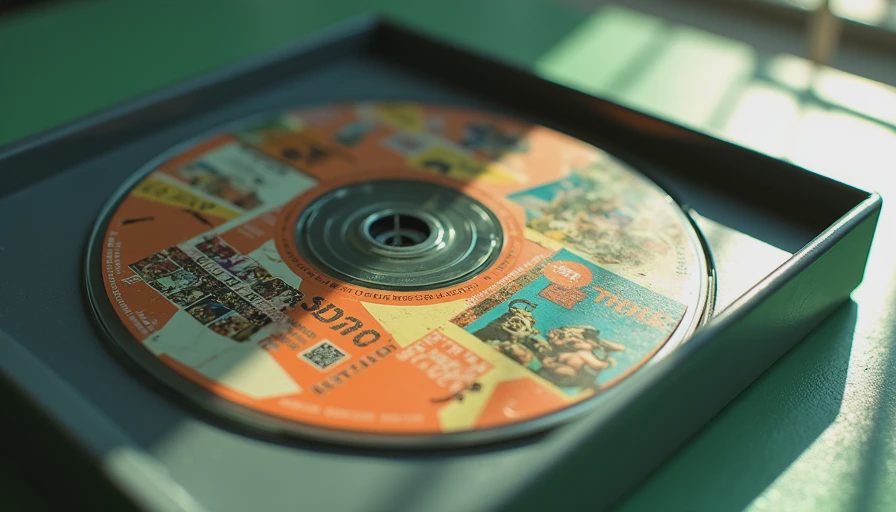
Metroid Prime remains one of the safest recommendations. Its scanning, exploration, and first-person combat create a steady rhythm, and the map gives backtracking a purpose. The original GameCube version has some dated interface choices, but the atmosphere is remarkably intact. The remastered edition is an easier entry point for most players.
Resident Evil 4 is another unusually durable game. Its over-the-shoulder aiming influenced an entire generation, yet the campaign still works because encounters are staged with real variety. The inventory puzzle adds tension without becoming busywork. Some dialogue and quick-time events have aged unevenly, but the pacing keeps moving.
For something lighter, Burnout 3: Takedown is still one of the best arcade racing games to load for a short session. Cars are easy to control, crashes are satisfying, and every event has a clear purpose. SSX 3 offers a similar advantage: it gives you a mountain, a board, and enough freedom to make a twenty-minute session feel complete.
The games that need patience
Not every excellent reputation survives contact with modern expectations. The original Kingdom Hearts has charming worlds, memorable music, and a sincere emotional core, but its camera and combat can be frustrating. It is worth playing if you are curious about the series, not because every mechanic remains polished.
The same is true of early 2000s games such as The Elder Scrolls III: Morrowind. Its world-building is extraordinary, and the freedom still feels rare. However, combat is awkward, directions can be vague, and the opening hours ask you to accept systems that later entries streamlined. A new player should approach it as a historical role-playing game rather than a rougher Skyrim.
The first Halo remains playable, particularly for its weapon sandbox and clean encounter design, but the repetitive indoor environments become noticeable. Halo 2 improves the moment-to-moment variety, although its campaign ending is famously abrupt. Both are worthwhile with expectations adjusted, especially if you are playing through the Master Chief Collection rather than hunting down original hardware.
Version choice can decide the experience
With early 2000s games, the version you choose often matters more than the game’s reputation. A backward-compatible Xbox release might offer cleaner performance and easier display options. A remaster can improve lighting and controls while changing the visual character that made the original memorable. Emulation can provide useful features such as save states and resolution scaling, but setup time is part of the decision.
The practical route is usually the least romantic one. Use an official remaster when it is stable and reasonably priced. The Resident Evil 4 remake is excellent, but it is not a replacement for every reason to play the 2005 original. The Metroid Prime Remastered release is closer to a direct recommendation because it preserves the core game while removing much of the hardware friction.
For PC titles, check widescreen support, controller mapping, and community patches before committing. Max Payne 2 can still be a terrific rainy-night action game, but old PC releases may need configuration work. If installing fixes takes longer than the first chapter, consider a console edition or modern storefront version instead.
Nostalgia favorites worth questioning
Some early 2000s games are important without being especially replayable. The original Spider-Man 2 created an unforgettable swinging fantasy, but its missions repeat quickly when viewed through modern eyes. Tony Hawk's Underground still has personality and excellent skating, yet its story interruptions can feel louder than remembered. These are not bad games; they simply need the right reason for returning.
Licensed games deserve the same honest treatment. The Lord of the Rings: The Two Towers has satisfying combat and a strong sense of spectacle, while many movie tie-ins from the period are short, repetitive, or difficult to access legally. A childhood memory of playing a game with friends can be real and valuable without proving that the software deserves a full replay.
This is where early 2000s games separate into two useful categories. Some are still good games that happen to be old. Others are historical artifacts that explain what players wanted at the time. Both can be interesting, but only the first category should automatically receive your limited weekend hours.
A practical shortlist for your next weekend
If you want immediate action, start with Burnout 3: Takedown, Devil May Cry 3, or Max Payne 2. They deliver a clear loop quickly and do not require a large emotional investment. If you want exploration, choose Metroid Prime or The Legend of Zelda: The Wind Waker. Their worlds reward attention without feeling like an endless checklist.
For a story-led evening, try The Warriors, Psychonauts, or Prince of Persia: The Sands of Time. Each has a distinct voice and a manageable campaign. For multiplayer, Super Smash Bros. Melee and Mario Kart: Double Dash!! remain easy to understand, though local hardware and a group of willing players are bigger barriers than the games themselves.
Give yourself one session to test the fit. Notice whether the camera, save system, and movement are merely unfamiliar or genuinely irritating. If the friction disappears after an hour, continue. If you are spending more time correcting the game than enjoying it, choose another title without treating that choice as a failure.
The honest verdict
The best early 2000s games are not museum pieces. They are compact, expressive, and often refreshingly direct. Metroid Prime, Resident Evil 4, Burnout 3, SSX 3, and Prince of Persia still make a strong case for themselves without requiring a nostalgia filter.
Others deserve a more qualified recommendation. Morrowind, Kingdom Hearts, early licensed games, and several famous PC releases can be rewarding, but they ask for patience, technical preparation, or tolerance for design habits that have disappeared. That does not make them worthless. It simply means the memory is doing some of the work.
Choose the version that removes unnecessary friction, set aside a realistic number of hours, and judge the game you are actually playing. The best early 2000s games can still earn your time in 2026. The rest can remain what they were: meaningful memories, interesting history, and perfectly reasonable skips.

No signals yet — transmit the first.