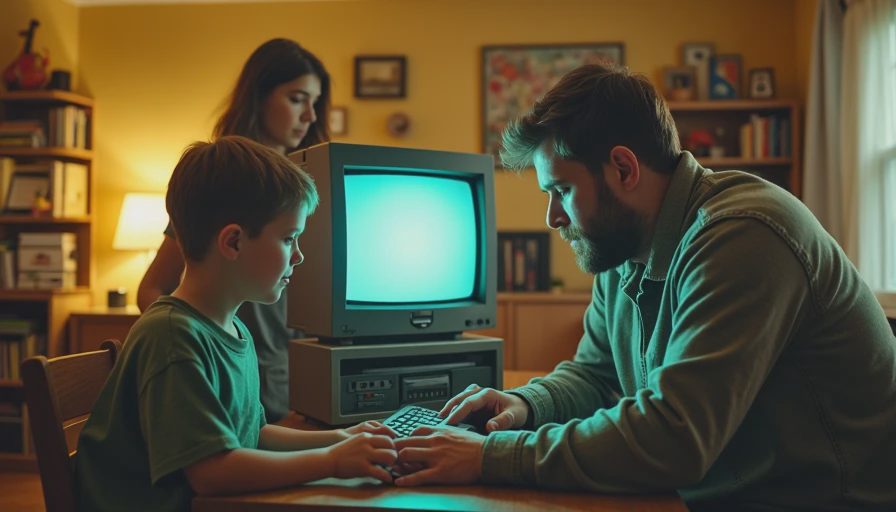
Childhood computer games occupy a strange place in memory. You remember the blue glow of a CRT monitor, the sound of a dial-up connection, and the excitement of installing a game from a bulky disc. Yet returning to childhood computer games as an adult can expose awkward interfaces, punishing difficulty, and pacing that no longer fits a busy life. The honest question is not whether a game mattered. It is whether it still deserves your limited free time.
I grew up with early PC shooters, strategy games, point-and-click adventures, and whatever demo discs happened to arrive in a magazine. Now I usually play after work, once the house is quiet, and I have learned that importance does not always mean replayability. Some old games remain remarkably good. Others are better as memories than recommendations.
Why Childhood Computer Games Feel So Powerful
The strongest memories are often attached to circumstances rather than mechanics. A game such as The Sims, RollerCoaster Tycoon, Age of Empires II, or Diablo II could absorb an entire Saturday because there were fewer competing screens and fewer demands on your attention. You were not comparing it with fifty other games in a backlog. You simply learned its systems because that was what you had.
That context matters when revisiting childhood computer games. A slow opening may have felt atmospheric at twelve but feel like wasted time after a long workday. A cryptic puzzle may have encouraged experimentation when you had no internet guide, while today it can feel like an invitation to search for a walkthrough. Nostalgia is not fake; it is just an unreliable review system.
I still enjoy the physical details: the chunky menus, the tiny sound effects, and the visual style created by limited hardware. But affection should not force a recommendation. The useful test is whether the game creates momentum within the first hour and whether its friction feels meaningful rather than accidental.
The Childhood Computer Games That Still Hold Up
A few categories age better than others. Turn-based strategy games often survive because thoughtful decision-making does not become obsolete. Civilization II and Heroes of Might and Magic III still offer satisfying choices, even if their interfaces look dated. You can pause, save, and return later, which makes them friendlier to adults managing family routines.
Simulation games can also remain excellent when their basic loop is clear. RollerCoaster Tycoon still understands the pleasure of building something, watching it operate, and fixing a problem before it becomes a disaster. The presentation is old, but the feedback is immediate. You do not need modern graphics to understand why a ride is losing money.
Some childhood computer games succeed because they have a strong central idea. Myst remains slower than many modern players expect, but its atmosphere and environmental puzzles are distinctive. Doom is still fast, readable, and direct. The original StarCraft can feel demanding, yet its campaign structure gives each mission a clear purpose. These games do not merely survive on reputation; their core decisions remain enjoyable.
Where Nostalgia Starts Misleading You
The roughest returns are usually games remembered for their world but built around clumsy routines. Early 3D adventures often combine fixed camera angles, awkward inventory systems, and long stretches of walking. You may remember exploring a mysterious castle, but not the ten minutes spent trying to trigger the next conversation.
Interface design is another major problem. Old PC games sometimes hide essential commands behind function keys, tiny icons, or nested menus. Manuals solved that problem when they sat beside the keyboard. Without them, a game can feel less like an adventure and more like technical support. Childhood computer games that depend heavily on manual reading deserve a little preparation before you commit to them.
Difficulty can mislead as well. Some games are challenging because their systems are deep. Others are challenging because enemies attack from off-screen, saves are inconvenient, or one missed item blocks progress. I have more patience for a demanding strategy campaign than for a platforming section that expects memorization without giving useful feedback.
How to Revisit Them Without Wasting a Weekend
Start with the easiest legal version available. Digital storefronts such as GOG often provide older PC games with compatibility settings, manuals, and community fixes already organized. A remaster can be worthwhile when it improves resolution, save handling, and controller support without changing the underlying design. It can also be disappointing when visual upgrades expose models that were designed for a lower resolution.
Before installing, spend five minutes checking the control scheme and save system. Look for an autosave option, windowed mode, subtitles, and a way to rebind keys. If the original game needs a fan patch, use a reputable community guide rather than downloading random executable files. For games with long campaigns, create a simple rule: play for forty-five minutes, then decide whether you are curious enough to continue.
This approach works better than starting with a full nostalgia marathon. You are testing the present-day experience, not proving that your younger self had good taste. If the opening still makes you want to see the next room, mission, or chapter, that is useful evidence.

A Practical Shortlist for Busy Adults
If you have six hours this weekend, choose a game with a clear entry point. Doom or Quake can deliver immediate action without requiring a campaign commitment. RollerCoaster Tycoon offers short sessions that can stretch naturally when you have more time. The Secret of Monkey Island is a good choice when you want writing and puzzles, although some solutions are intentionally strange and may require hints.
For a longer project, Age of Empires II remains a stronger recommendation than many technically impressive real-time strategy games because matches and campaigns create clear objectives. Civilization IV is also worth considering if you enjoy planning, but its turn-based structure can quietly consume an evening. Save before you start unless you are comfortable explaining to your family why dinner happened an hour late.
The best childhood computer games for modern adults are not necessarily the most famous. Look for compact campaigns, readable systems, reliable saves, and a distinctive central idea. A forgotten puzzle game with clean logic may serve your schedule better than a celebrated epic that demands thirty hours before it becomes interesting.
The Honest Call
Returning to childhood computer games works when you separate emotional recognition from present-day pleasure. You can love what a game represented and still decide that its interface has aged badly. You can also discover that a title you barely remember has better pacing and stronger design than the classic everyone tells you to replay.
My rule is simple: give an old game one focused session with the right version and basic setup. If you finish wanting to understand more, keep going. If you are checking the clock, searching for quality-of-life mods, and defending the game more than enjoying it, stop without guilt.
Childhood computer games are not museum pieces, and they are not automatically timeless. The good ones still create curiosity, tension, or satisfaction with surprisingly little help. The others can remain valuable memories. Both outcomes are honest, and neither requires pretending that every classic still feels comfortable in 2026.


No signals yet — transmit the first.