Gaming in the 2000s was the era that shaped my taste more than any other. I remember PS2 memory cards, original Xbox dashboards, Game Boy Advance screens, and PC games that demanded a manual before they let you play. Coming back now, gaming in the 2000s feels less like one neat golden age and more like a messy decade of experiments. Some games remain remarkably easy to recommend. Others are better as a memory than a recommendation.
That distinction matters when you are fitting games around work, family, and a backlog that never seems to shrink. I am not interested in pretending every old favorite is timeless. If you have six hours this weekend, here is the honest call on where to spend them.
Why gaming in the 2000s still matters
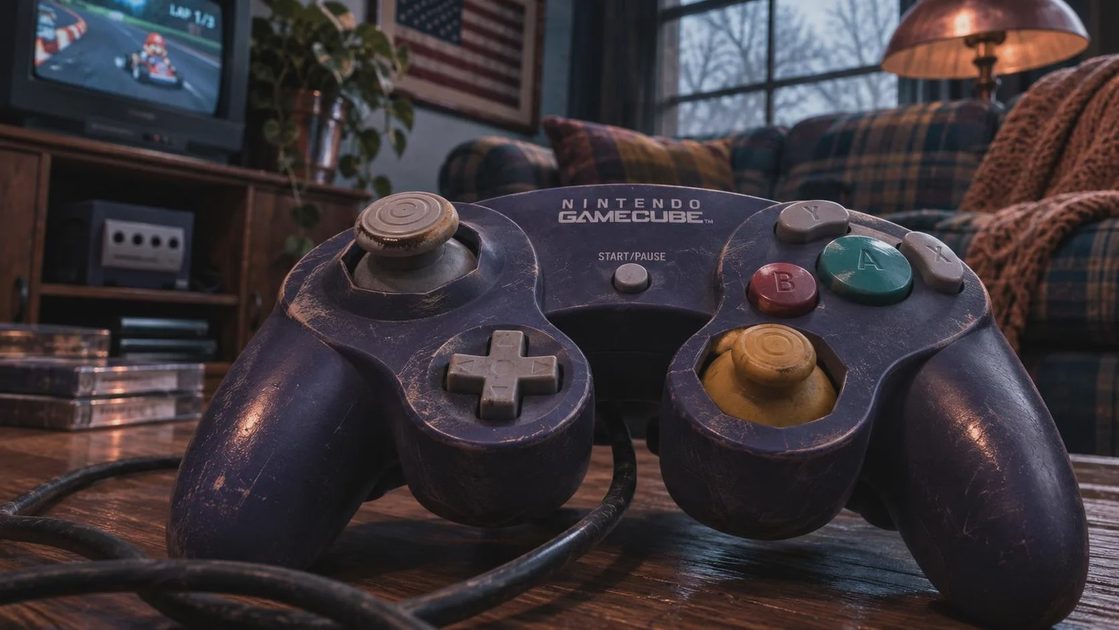
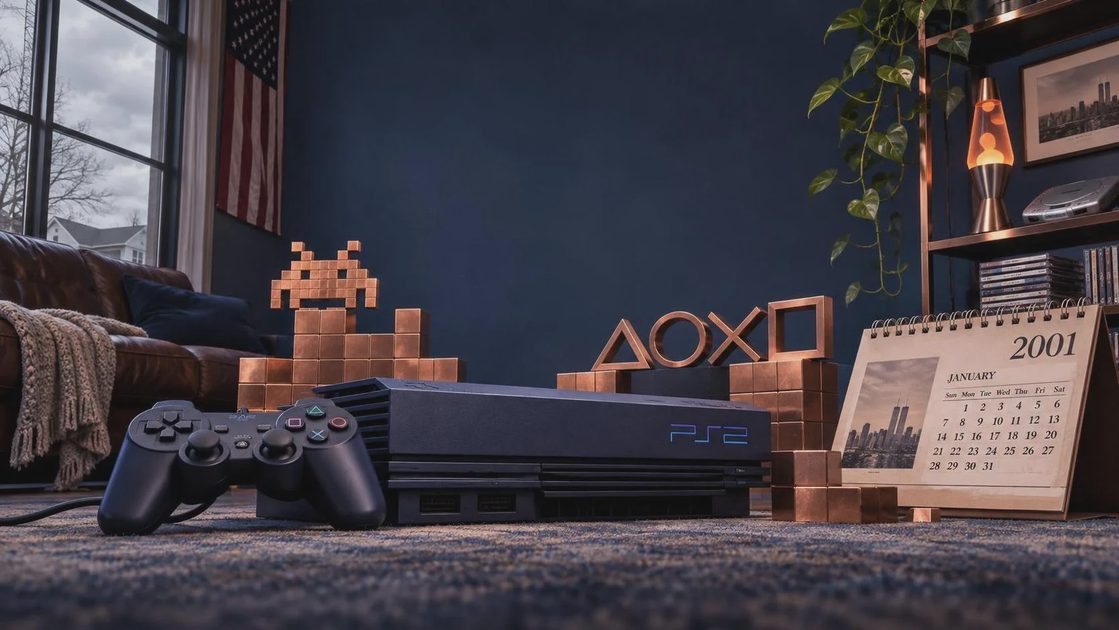
The decade connected several different eras. The PlayStation 2 made large, cinematic adventures ordinary. The original Xbox introduced console players to Halo and a more comfortable form of online multiplayer. The GameCube offered compact, focused games, while the Nintendo DS and PSP made portable gaming feel like a serious second screen for major publishers.
On PC, games such as Half-Life 2, The Sims 2, World of Warcraft, and Civilization IV showed how flexible the medium could become. Gaming in the 2000s was not always polished, but it was ambitious. Developers were still figuring out camera systems, online services, downloadable content, and open-world design at the same time.
That ambition is part of the appeal today. You can see ideas being tested before they became industry standards. You can also see the rough edges clearly: tutorial-free mechanics, awkward checkpoints, long loading screens, and save systems that assumed you had an entire Saturday available.
The games that remain easy to recommend
The strongest gaming in the 2000s experiences usually have a clear mechanical identity. They do one or two things exceptionally well instead of burying a simple idea under a giant map. Super Mario Galaxy remains welcoming because movement is expressive and levels constantly introduce fresh surprises. The Legend of Zelda: The Wind Waker still works because exploration, music, and visual style support one another.
On PlayStation 2, Shadow of the Colossus is still worth loading if you can accept deliberate pacing and occasional camera frustration. Metal Gear Solid 3: Snake Eater remains a terrific choice for players who enjoy theatrical storytelling, stealth systems, and an unusually confident sense of place. Ratchet and Clank: Up Your Arsenal is an easier recommendation for a busy adult because its shooting, movement, and humor get moving quickly.
Halo 3 is still a strong short-session game, especially when you want clear combat rather than a hundred side objectives. Portal, although released near the decade's end, may be the best example of an older game respecting your time. Its puzzles teach through play, its campaign is compact, and its writing does not need a giant mythology to land.
Where nostalgia needs a reality check
Gaming in the 2000s also produced plenty of games that were important without being especially pleasant to revisit. Early open-world titles often confuse size with depth. You may remember the freedom of Grand Theft Auto: San Andreas, but returning to its mission structure can reveal repetitive driving, uneven shooting, and a lot of travel between meaningful moments.
The same issue affects some action role-playing games. A game might offer a huge skill tree while making you repeat the same three encounters for twenty hours. Collectibles were frequently scattered across maps without useful rewards. Side missions often existed to make a review score sound larger rather than to deepen the world.
Controls are another dividing line. Dual-stick camera movement was not yet universal, and some games use shoulder buttons, face buttons, and context actions in ways that feel actively hostile today. Fixed cameras can still work, but only when the level design anticipates them. If you spend more time wrestling with the view than reading the room, nostalgia is doing too much of the work.
The best way to revisit gaming in the 2000s
Start with the version that removes unnecessary friction. A backward-compatible console release, remaster, or legal PC port can make a bigger difference than a sharper resolution. Stable frame rates, faster loading, modern display support, and sensible controller options are not cosmetic luxuries when your available playtime is limited.
The Xbox One and Xbox Series backward-compatibility programs are useful for selected original Xbox and Xbox 360 games. On PlayStation, remasters and digital re-releases vary considerably, so read current impressions before buying. PC versions can offer the best flexibility, but they sometimes require community patches for widescreen support, controller mapping, or launch stability. Emulation can be a practical preservation tool for hardware you own, though setup quality depends on the system and game.
I also recommend lowering the difficulty before lowering your standards. Older games often use difficulty to extend length, not to create interesting decisions. If a hard mode mainly adds enemy health or removes checkpoints, choose normal and keep going. You are revisiting a design, not taking an exam on your younger self.
A practical shortlist for limited free time
For a two-hour evening, pick something with strong chapter structure. Portal, Geometry Wars, Burnout 3: Takedown, and Katamari Damacy are easy to start and stop. For a longer weekend, Mass Effect, Batman: Arkham Asylum, and The World Ends with You offer more substantial systems without requiring a hundred-hour commitment.
If you want a multiplayer memory, Halo 3 and Mario Kart Wii remain better bets than many obscure online games whose servers are gone. For handheld gaming in the 2000s, Mario and Luigi: Bowser's Inside Story, The World Ends with You, and Pokémon Platinum still provide enough personality and structure to justify returning.
Gaming in the 2000s is at its best when the game gives you a reason to keep playing beyond recognition. You should feel curious about the next room, race, puzzle, or story beat, not merely pleased that you remember it.
My honest verdict
The decade deserves neither blanket praise nor a nostalgia purge. Gaming in the 2000s delivered some of the clearest mechanical ideas in modern game history, but it also normalized padding that later became much harder to tolerate. The right question is not whether a title was influential. It is whether its movement, pacing, presentation, and saving systems still respect your time.
If you are returning to gaming in the 2000s after many years, begin with focused games: Portal, Shadow of the Colossus, Super Mario Galaxy, Halo 3, or Burnout 3. Then move toward longer adventures if the first session feels good. Important does not always mean replayable, and a famous title can still be a skip.
My final recommendation is simple: choose the game you remember for a specific feeling, then test whether the mechanics can still deliver it. Some will. Some will not. The best ones are still worth loading, provided you bring the right expectations and do not ask memory to do all the playing.
No signals yet — transmit the first.