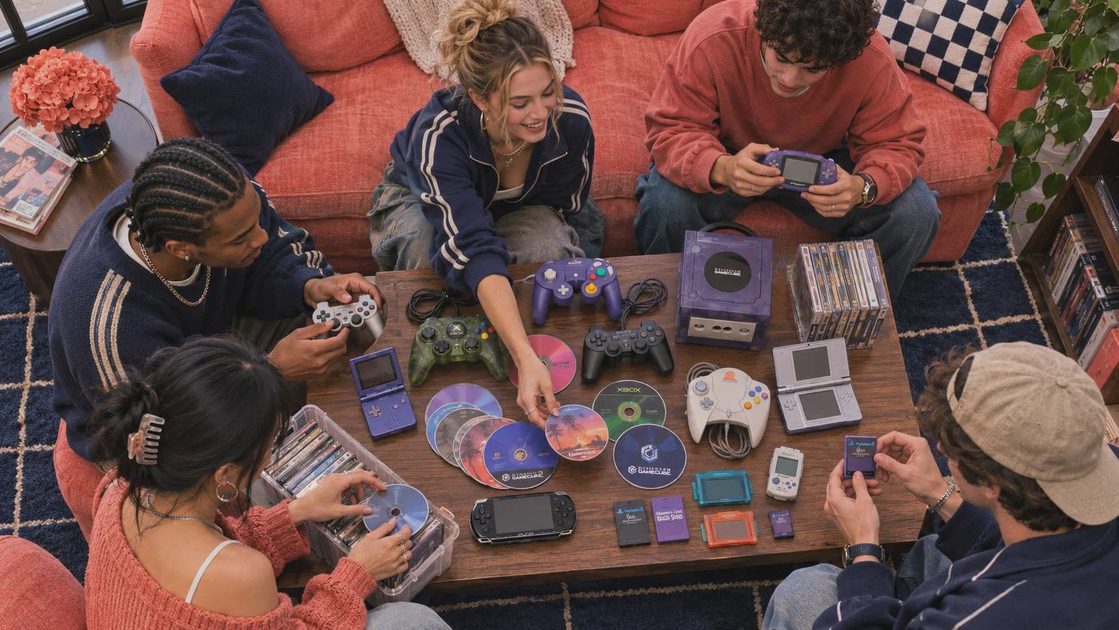
The forgotten games of the 2000s are often more interesting than another replay of the same celebrated classics. This was the era of the PlayStation 2, original Xbox, GameCube, Nintendo DS, PSP, and early Xbox 360, when publishers released strange, ambitious games that could disappear within a month. Some deserve a real second chance. Others are better as a memory than a recommendation.
I have limited gaming time now. Between work, family, and the ordinary mess of a week in Madison, I cannot give every old game twenty hours just because it once had a memorable magazine cover. The useful question is simpler: if you have six hours this weekend, which forgotten games of the 2000s are still enjoyable without a museum tour of their flaws?
Why These Games Disappeared
Many games vanished for practical reasons rather than quality. The 2000s were crowded with licensed tie-ins, experimental Japanese releases, mid-budget action games, and titles launched between larger releases. A good game might receive little advertising, ship in limited numbers, or land on the wrong platform. Without digital storefronts and constant online discussion, a quiet release could simply stop being part of the conversation.
Some examples were also trapped by hardware. A game built around the Game Boy Advance link cable, a Nintendo DS touch screen, or the original Xbox hard drive can be awkward to revisit. Others were tied to music licenses, movie rights, or online servers that no longer exist. Availability is part of the modern verdict. A brilliant game that requires a costly used copy and fragile accessories is a different recommendation from a strong title available for $10 on a digital store.
The forgotten games of the 2000s also suffer from comparison. They arrived beside Grand Theft Auto, Halo, The Legend of Zelda, Final Fantasy, and Metal Gear Solid. A polished but modest game could feel invisible next to those giants, even when its smaller scope made it easier to enjoy.
Five Overlooked Games Worth Revisiting
The first name I would put forward is The Saboteur from 2009. Pandemic Studios blended open-world driving, stealth, shooting, and a stylized black-and-white Paris under occupation. It is uneven, with repetitive missions and some clumsy climbing, but the mood remains excellent. The color gradually returning to occupied districts gives the game a clear visual identity. It is a good weekend project if you want an action game with atmosphere rather than another enormous map filled with icons.
Enslaved: Odyssey to the West is another strong candidate. Its platforming is extremely guided, and the combat never becomes deep, but the relationship between Monkey and Trip gives the campaign momentum. Andy Serkis and Lindsey Shaw carry scenes that could have been disposable science-fiction exposition. The game runs roughly ten hours, which makes it easier to recommend to an adult player than many longer adventures from the period.
The neglected racing game Blur deserves attention from anyone who misses local multiplayer. Bizarre Creations combined licensed cars with arcade weapons, creating something between Project Gotham Racing and Mario Kart. The single-player career is serviceable, but the real appeal is aggressive split-screen competition. Finding a working copy and enough controllers is the difficult part; once set up, the races still produce the kind of immediate arguments that modern online matchmaking rarely creates.
For a quieter experience, try The World Ends with You on Nintendo DS. Its two-screen combat system initially feels hostile, and the stylus controls demand practice. Once the systems click, the game becomes a stylish, unusually personal action role-playing game about isolation, friendship, and learning to pay attention. The original version is not frictionless, but that friction is connected to its design rather than simple age.
Finally, Dark Sector is worth a look for players curious about the road before Warframe. Its story is forgettable, but the glaive weapon gives ordinary third-person shooting a satisfying physical rhythm. Throwing the blade around shields, enemies, and environmental targets remains more entertaining than the grim presentation suggests. It is not essential, yet it is exactly the sort of compact, flawed experiment that deserves better than total disappearance.
What Has Aged Well and What Has Not
The best forgotten games of the 2000s usually have one idea that remains clear. The Saboteur has its visual transformation. Blur has weaponized racing. The World Ends with You has touch-based combat and an expressive soundtrack. Those identities help them survive dated menus, stiff animations, and occasional design habits that modern games have mostly abandoned.
The weaker examples tend to rely on quantity. A game can offer twelve districts, forty collectibles, and a skill tree while still feeling empty after the novelty fades. This is where nostalgia can mislead. I remember spending entire evenings clearing open-world maps, but I do not necessarily want to repeat that routine after a full workday. A focused campaign with eight useful hours is often the better purchase today.
Controls are another dividing line. Dual-stick movement and standard shoulder buttons have aged well. Camera systems, escort missions, mandatory stealth sections, and checkpoint gaps have not. Before starting one of these games, I look for a modern port or backward-compatible edition with improved resolution and stable frame pacing. A small technical improvement can turn an irritating replay into a comfortable one.
How to Choose Your Next Replay
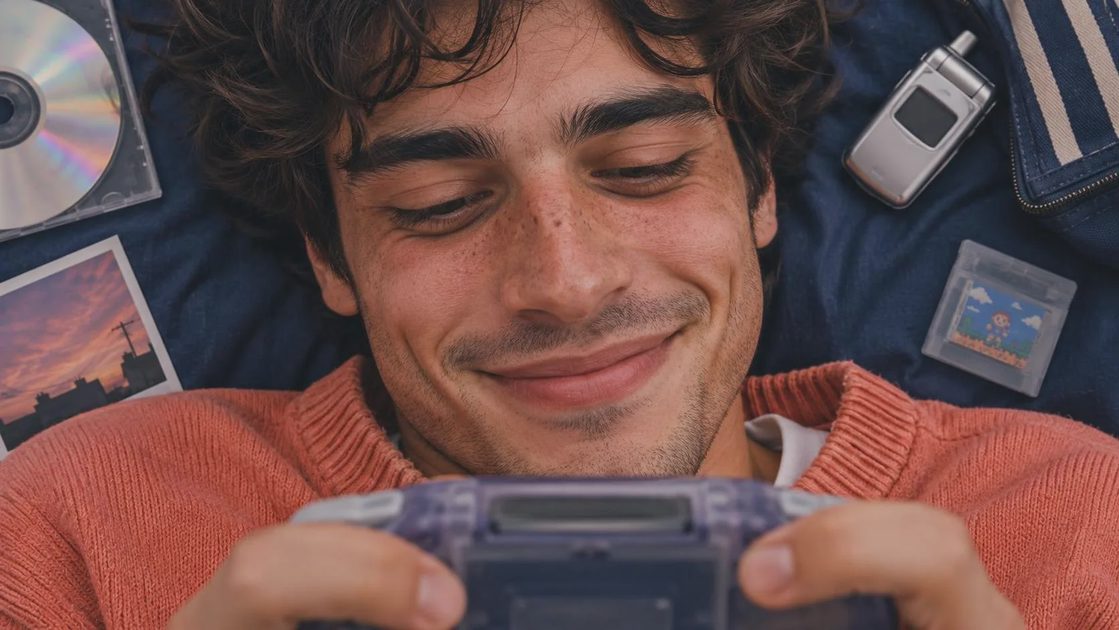
Start with the kind of evening you actually have. If you want quick sessions, choose Blur or The Saboteur, where a single race or mission provides a complete payoff. If you want a story, Enslaved is a safer choice than a sprawling role-playing game that expects a month of commitment. If you enjoy unusual mechanics, The World Ends with You offers more to examine than its dated presentation initially suggests.
Then check access before building excitement. Search your current console library, backward-compatibility list, or legitimate PC storefront first. Used physical prices can range from $8 to $30 depending on platform and condition, while collector pricing can go far beyond what the game itself justifies. Do not confuse scarcity with quality. A rare copy is not automatically the best version, and a common digital release is not less meaningful because it is easy to obtain.
Give each game a fair trial, but set a stopping point. Two hours is enough to discover whether the camera, writing, and basic movement are working for you. If a title still feels like homework after that, move on. The purpose of revisiting overlooked games is to find pleasure, not to complete an archaeological assignment.
The Honest Verdict
The forgotten games of the 2000s are not a secret list of lost masterpieces. Most are uneven, and several are only appealing if you enjoy working around period-specific design. That is fine. A game does not need to redefine its genre to earn a place on a free Saturday night.
The forgotten games of the 2000s that still work best are compact, distinctive, and easy to explain. They give you a reason to play beyond nostalgia, whether that means a clever weapon, a memorable visual style, or a campaign that respects your time. Start with The Saboteur, Enslaved, Blur, The World Ends with You, or Dark Sector, depending on your mood. These are still worth loading, with the right expectations.
Important does not always mean replayable, and popularity does not always predict value today. The pleasure is finding the smaller games that survived because they had a real personality. If you have six hours this weekend, choose one curious recommendation, accept a few rough edges, and see whether it earns another night.

No signals yet — transmit the first.