Nostalgic computer games 2010s occupy an odd place in my backlog. They are old enough to trigger strong memories, but many are still modern enough to run easily on a current PC. That makes them tempting after a long workday, especially when I want something familiar instead of another enormous open-world game demanding 80 hours. The problem is that memory is generous. A game that felt magical in 2012 can now have awkward menus, slow tutorials, unreliable multiplayer, or a progression system designed around a very different schedule.
I am not interested in declaring every game from the decade a classic. Important does not always mean replayable. The useful question is simpler: if you have six hours this weekend, which titles deserve those hours in 2026?
Why the 2010s Are Still a Great PC Era
The decade produced a remarkable mix of big-budget releases and small experiments. Steam made digital libraries more convenient, independent developers found larger audiences, and PC hardware became capable of running visually ambitious games without the extreme setup hassle associated with earlier eras. You could play a polished strategy game, a strange walking simulator, or a competitive shooter on the same desktop.
The best nostalgic computer games 2010s picks also benefit from strong design fundamentals. XCOM: Enemy Unknown remains satisfying because its turn-based decisions are clear and its missions create memorable consequences. Portal 2 still understands pacing better than most modern puzzle games. The Stanley Parable is short, funny, and structurally clever without needing a seasonal pass or a map filled with icons.
That does not mean every old favorite deserves an immediate reinstall. Some games were carried by their communities, launch-day excitement, or the feeling of discovering a new digital space with friends. Once those conditions disappear, the underlying game can feel surprisingly thin.
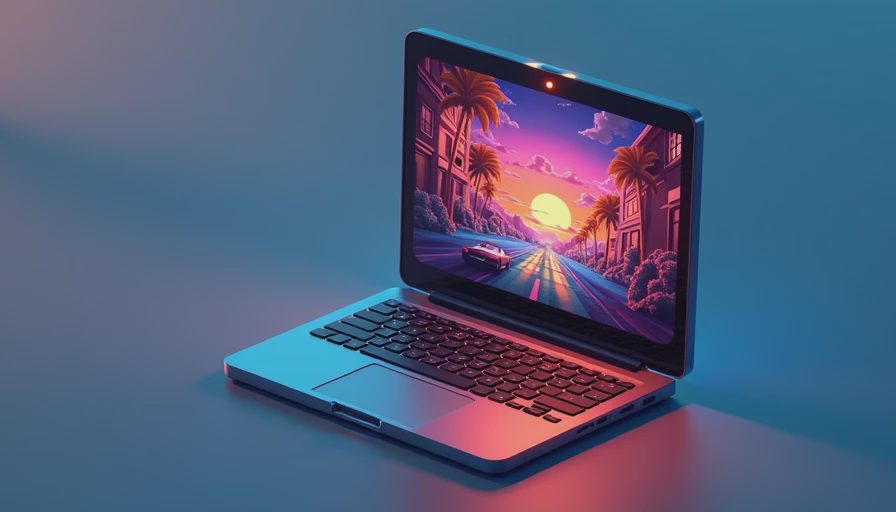
The Games That Still Feel Good Today
My strongest recommendations are games that respect the player’s time. FTL: Faster Than Light can deliver a complete story in a single evening, even if a run ends badly. Into the Breach is even easier to fit around family routines because individual battles are brief and every move is readable. Neither game needs nostalgia to justify its place on a modern PC.
Minecraft is another obvious example, although its appeal depends on what you want from it. A returning player can build a quiet base, explore underground, or start a shared world with friends. The basic loop remains flexible rather than demanding. Civilization V is similarly easy to recommend for a certain kind of player, but it comes with a warning: one turn can become two hours before you notice the clock.
For action games, Hotline Miami still has immediate movement, sharp sound design, and compact levels. Dark Souls remains rewarding if you accept deliberate combat and occasional confusion. Dishonored offers a better return experience than many larger stealth games because its missions support experimentation without requiring a gigantic map. These games do not merely remind me of a particular year. Their systems continue to work.
The nostalgic computer games 2010s worth revisiting usually have one thing in common: their core loop is understandable within the first half hour. You can tell whether the combat, building, puzzle solving, or exploration feels right before investing an entire weekend.
Where Nostalgia Can Mislead You
Some games are better as a memory than a recommendation. Early online survival games often depended on crowded servers, unwritten community rules, and a willingness to spend evenings gathering basic materials. Returning alone can expose how little there is to do beyond repeating chores. The same issue affects certain multiplayer shooters. A fond memory of playing with college friends is real, but it does not guarantee that the remaining player base, matchmaking, or balance will provide the same experience.
Long role-playing games create a different problem. Skyrim remains inviting, but its combat and character animation can feel plain after years of better action systems. Dragon Age: Inquisition has strong companions and a satisfying central conflict, yet its open areas contain enough repetitive tasks to test a busy adult’s patience. The answer is not that these games are bad. It is that a replay should be selective. Follow the main story, avoid checklist content, and stop when the experience starts feeling like administrative work.
The same caution applies to older PC ports. A title can be excellent in principle and frustrating in practice if its interface assumes a low-resolution monitor, its controller support is incomplete, or its frame pacing behaves poorly. Read current player discussions, look for a reputable patch guide, and decide how much tinkering you are willing to do before buying.
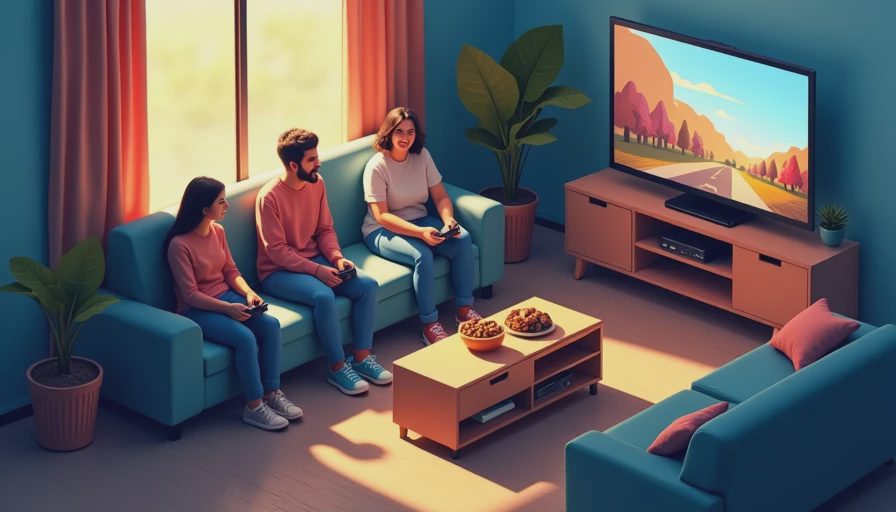
How to Choose a Return Without Wasting a Weekend
Start by identifying the memory you are chasing. Is it the game itself, the music, the people you played with, or the freedom you felt at that age? If the answer is mainly social, a solo replay may disappoint. If you remember a specific system, such as building a base or planning a stealth route, choose a game where that system remains central rather than buried under introductions.
Next, check the practical cost. Many older PC games are discounted below $20 during seasonal Steam sales, while complete editions often include expansions that improve the experience. A remaster can be worthwhile when it fixes resolution, controller support, save handling, and loading times. It is not automatically better, though. Some remasters change lighting, sound, or interface details in ways that make the original feel more coherent.
Give yourself a short trial window. Play for 60 to 90 minutes, long enough to reach the real loop but not so long that sunk-cost thinking takes over. If the controls feel wrong, adjust sensitivity and key bindings once. If the interface still fights you after that, move on. Your free time is part of the review.
My Shortlist for Different Moods
For a focused evening, choose Portal 2, FTL, Hotline Miami, or Into the Breach. They offer quick feedback and do not require remembering a complicated plot from a decade ago. For a longer weekend, Dishonored, XCOM: Enemy Unknown, Dark Souls, and Skyrim provide enough depth to support a serious return, provided you accept their dated edges.
For something relaxed, Stardew Valley is a safer recommendation than many nostalgia-driven farming games because its calendar gives structure without forcing a strict route. For a friend or partner, Left 4 Dead 2 remains easy to understand and fun in short sessions, especially when everyone agrees that coordination matters more than perfect performance. Minecraft works when the group wants an open-ended project rather than a campaign with a finish line.
My broader rule for nostalgic computer games 2010s is to favor games with durable verbs: aim, solve, build, explore, plan, or improvise. Games built mainly around a now-empty service, a dead competitive ladder, or a giant launch-era checklist deserve more caution.
The Honest 2026 Verdict
The best nostalgic computer games 2010s are not valuable because they freeze a particular year in amber. They are valuable because their design still creates interesting decisions, strong atmosphere, or satisfying momentum. Some will feel better than remembered. Others will reveal that the real treasure was the people sitting beside you or the spare time you had then.
That distinction is useful rather than disappointing. Return with a specific expectation, test the controls quickly, and do not confuse historical importance with a duty to finish. If a game still makes you curious after the first hour, keep going. If it feels like homework, close it without guilt. The nostalgic computer games 2010s that survive this test are still worth loading, with the right expectations.


No signals yet — transmit the first.