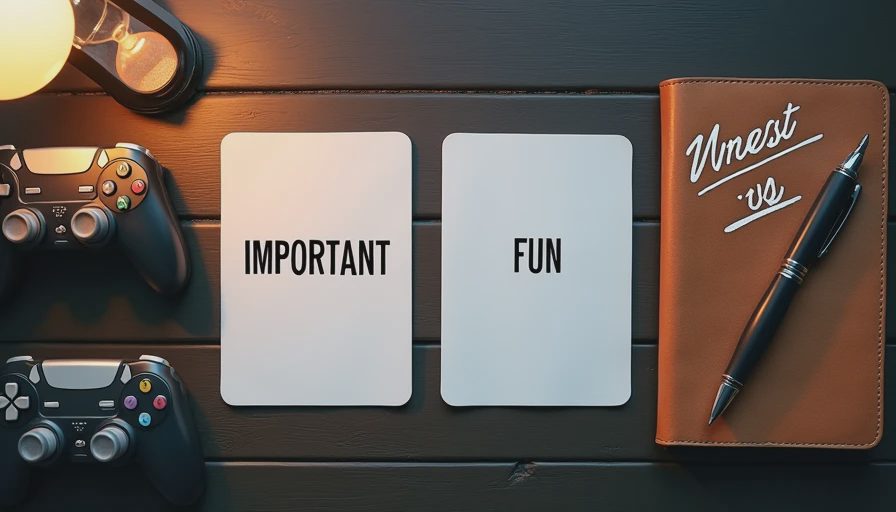
The Game I Respect But Don't Enjoy
I've played a lot of classic games.
Some I've loved. Some I've admired. Some I've respected. And some I've done all three—but didn't actually enjoy.
There's a difference between respecting a game and enjoying it. Between appreciating its historical importance and actually having fun playing it.
I think about this a lot. Especially when I'm recommending games to other busy adults. I want to recommend games that are fun, not just important.
This is the gap between "historically important" and "actually fun today." And it matters more than you might think.
What "Historically Important" Means
A historically important game is a game that changed something.
It introduced a new mechanic. It defined a genre. It pushed the medium forward. It influenced future games. It was groundbreaking for its time.
These games are important. They deserve recognition. They deserve respect. They deserve a place in the history of gaming.
But they're not always fun to play today.
Examples of Historically Important Games
Let me give you some examples.
Super Mario 64. Revolutionary. It defined 3D platforming. It introduced analog stick control. It changed everything. It's also clunky. The camera is frustrating. The controls are dated. It's important, but it's not as fun as newer platformers.
Doom (1993). The granddaddy of FPS games. It defined the genre. It pushed the medium forward. It's historically important. But it's also simple, repetitive, and visually primitive. It's important, but it's not as fun as modern shooters.
Metal Gear Solid. The cinematic experience. It proved games could tell mature stories. It's historically important. But the controls are awkward. The cutscenes are long. It's important, but it's not as fun as modern stealth games.
What "Actually Fun Today" Means
An actually fun game is a game that's enjoyable to play in 2026.
It doesn't matter if it's historically important. It doesn't matter if it's groundbreaking. It just matters if it's fun.
An actually fun game has mechanics that still work. It has pacing that still engages. It has a design that still holds up.
These games are fun to play today. They respect your time. They don't feel like work.
Examples of Actually Fun Games
Let me give you some examples.
Portal. The mechanics are still fun. The puzzles are still clever. The game is still engaging. It's historically important and actually fun.
Hades. The combat is still satisfying. The loop is still addictive. The game is still fun. It's not historically important, but it's actually fun.
Stardew Valley. The farming is still relaxing. The progression is still satisfying. The game is still enjoyable. It's not historically important, but it's actually fun.
Why It Matters
The difference matters because recommendations matter.
When I recommend a game to someone, I want to recommend something they'll enjoy. Not something they'll respect. Not something they'll appreciate. Something they'll have fun playing.
If I recommend a historically important game that isn't fun, I'm wasting their time. They'll play it, respect it, and then stop. They won't have a good time.
If I recommend an actually fun game that isn't historically important, they'll have a good time. They'll enjoy it. They'll feel like their time was well spent.
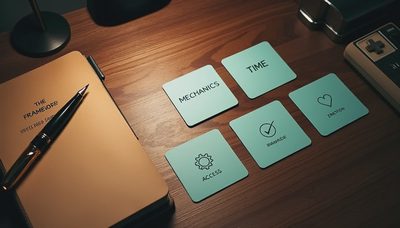
The Framework

Here's how I decide whether a game is worth playing.
Is it important and fun? Play it. It's a win-win. Examples: Portal, Hades, Chrono Trigger.
Is it important but not fun? Skip it. Respect it from a distance. Read about it. Watch videos. But don't play it. Examples: Super Mario 64, Doom, Metal Gear Solid.
Is it fun but not important? Play it. It doesn't need to be important. It just needs to be enjoyable. Examples: Stardew Valley, Hades.
Is it neither important nor fun? Definitely skip it.
The Bottom Line
There's a difference between historically important and actually fun.
Historically important games deserve respect. They deserve recognition. But they don't always deserve your time.
Actually fun games are the ones worth playing. They're the ones that respect your time. They're the ones that you'll enjoy.
Important doesn't always mean replayable. Actually fun means replayable. Play what's fun.
Still worth loading? Only if it's actually fun.

No signals yet — transmit the first.