80s and 90s video games occupy a strange place in the modern backlog. They can feel wonderfully direct after a week of enormous open worlds, but they can also punish you with passwords, stiff controls, tiny text, and difficulty designed around repeated arcade play. I still love the era, but nostalgia is not a substitute for a good recommendation. If you have six hours this weekend, the question is not whether a game was important. It is whether it is still enjoyable now.
Why some classics survive the trip back
The strongest 80s and 90s video games usually have a clear central idea. Super Metroid gives you exploration, discovery, and a map that slowly becomes readable. Super Mario World makes movement feel precise within minutes. Doom remains effective because its enemies, weapons, and arenas communicate immediately. These games do not require a long tutorial or a detailed wiki before they become fun.
Good pacing helps, too. A game that lets you finish a meaningful stage in 20 or 30 minutes fits adult life better than one that demands a full evening before saving. Arcade-style games can still work when their rules are clean, while role-playing games such as Chrono Trigger and Final Fantasy VI ask for more time but reward steady progress. The best older design respects the player’s attention even when its technology is obviously dated.
Controls are the first practical test. If a platformer responds exactly when you expect, old visuals become easy to accept. If a character slides, jumps unpredictably, or requires a sequence of awkward button presses, the memory can collapse quickly. Important does not always mean replayable.
The 80s games I would still recommend
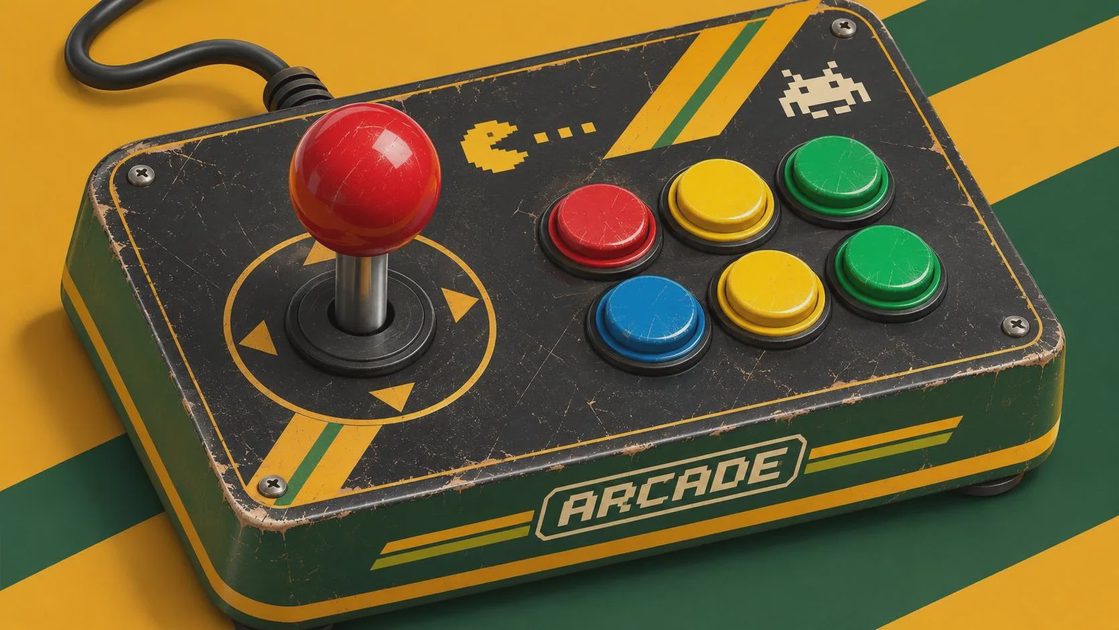
The 80s produced plenty of influential 80s and 90s video games, but not every influential release is comfortable to play today. The original Super Mario Bros. remains an excellent short-session choice because its movement is legible and its levels teach through layout rather than explanation. The Legend of Zelda is historically fascinating, yet its vague progression and hidden solutions make it better for patient explorers than casual revisitors.
Tetris is almost impossible to age out of. Whether you play a Game Boy version, a modern collection, or a digital adaptation, the core loop remains immediate. Contra is another strong pick if you enjoy demanding action and can accept memorizing enemy patterns. Meanwhile, the original Final Fantasy can feel rougher because of grinding, unclear objectives, and uneven menus. I would approach it as a historical curiosity rather than the first stop for someone wanting an easy retro evening.
Early computer games deserve a separate mention. The first SimCity is fascinating if you like systems and experimentation, but its interface feels like work compared with later entries. Prince of Persia still has striking animation and tension, although its deliberate timing takes practice. These games are worth loading with the right expectations, not because every rough edge has magically disappeared.
The 90s offer the best starting point
For most adults returning to 80s and 90s video games, the 90s are the friendlier entry point. Hardware became more capable, saving became more common, and designers grew better at communicating objectives. Super Mario World, Sonic 3, Street Fighter II, and The Legend of Zelda: A Link to the Past remain easy to understand even if you have never played them before.
The Super Nintendo library is especially reliable for limited free time. A stage in Donkey Kong Country can be completed without committing to a huge story. Castlevania: Symphony of the Night takes longer, but its exploration loop still feels satisfying, particularly in the later versions that reduce some original presentation friction. On PC, games such as StarCraft and RollerCoaster Tycoon remain compelling because their systems create stories instead of simply delivering scripted scenes.
The biggest caution is camera and control design. Early 3D games often ask you to manage movement, camera position, targeting, and an unfamiliar button layout at the same time. Super Mario 64 remains a landmark, but its camera can require patience. GoldenEye 007 is fun with the right group and setting, while its single-player aiming and enemy behavior feel less polished than memory suggests.
Play the version that removes friction
Version choice matters more with older games than many players expect. A collection on Nintendo Switch, PlayStation, Xbox, or PC can provide save states, display options, and quick access without requiring original hardware. Those features do not make a game better by themselves, but they make it easier to discover whether the underlying design still works.
For 80s and 90s video games, save states are particularly useful when the original release uses limited continues or passwords. I prefer using them at natural breaks rather than after every jump. That preserves the rhythm while removing the need to replay an entire hour because of one mistake. Rewind features can serve the same purpose in games with severe trial and error.
Ports deserve a little research. A handheld version may cut levels or change music. A remaster might improve resolution while altering colors, sound, or controls. The PlayStation version of a game can differ meaningfully from the Nintendo 64 version, and PC releases sometimes need community patches for modern displays. Before buying, check what changed and whether the current edition supports suspend saving.
A practical way to choose from a huge backlog
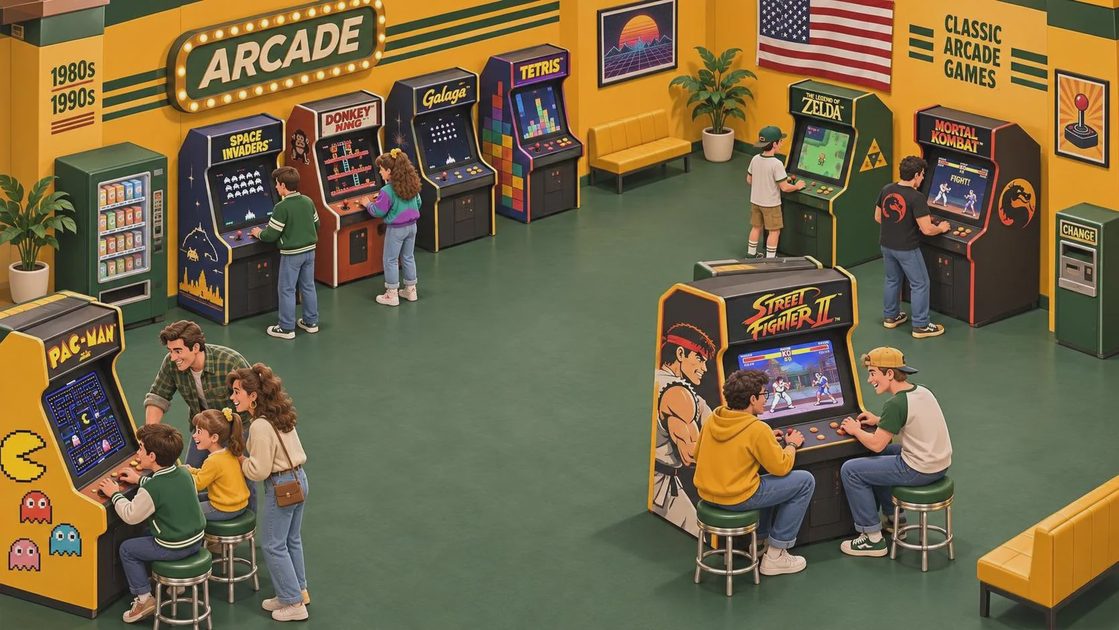
Start with the kind of evening you actually have. If you want 20 minutes of focused play, choose Tetris, a Mario game, a fighting game, or an arcade collection. If you have several uninterrupted nights, try Chrono Trigger, Resident Evil 2, Final Fantasy VII, or Baldur’s Gate. Matching the game to your schedule prevents a good recommendation from becoming another abandoned project.
Next, decide how much friction you can tolerate. A returning fan may enjoy learning old tank controls in Resident Evil, while a first-time player might prefer the smoother remake. Someone who enjoys maps and experimentation could love Metroid or Myst; someone wanting constant action may lose patience before the game opens up. There is no prize for finishing the version that makes you miserable.
Finally, use a short trial instead of a commitment. Give a game 30 to 45 minutes on the version you can access easily. Notice whether you are curious about the next room, stage, or match. If you are mostly fighting the interface, move on without guilt. Your childhood favorites can remain meaningful even when they no longer fit your evenings.
The honest shortlist for 2026
My safest recommendations among 80s and 90s video games are Super Mario World, Tetris, Super Metroid, A Link to the Past, Doom, Sonic 3, Chrono Trigger, and Symphony of the Night. They each have a strong identity, readable goals, and enough flexibility to survive modern expectations. Some still feel excellent immediately; others need a session or two before their rhythm becomes familiar.
I would approach early polygonal adventures, obscure home-computer titles, and arcade games with limited continues more carefully. They can be rewarding, but their appeal often depends on patience, curiosity, or personal memory. That is not a criticism. A game can be historically important and better as a memory than a recommendation.
The best way back into this era is to stop treating every classic as required homework. Pick one game that suits your available time, use a comfortable modern version, and give it a fair evening. The great ones will make their case quickly. The rest can stay in the past without diminishing what they meant when you first played them.
No signals yet — transmit the first.