Games from 2000 to 2010 occupy a useful middle ground. They are old enough to have unmistakable design quirks, yet modern enough that many still feel comfortable on a current television, handheld, or gaming PC. I have spent enough evenings returning to PS2, Xbox 360, GameCube, Nintendo DS, and early PC favorites to learn one lesson: important does not always mean replayable. The best games from this era still respect your time. The weaker ones ask you to fight the camera, menus, save system, and loading screens before the actual fun begins.
The era produced more variety than nostalgia suggests
The decade began with PlayStation 2, Dreamcast, Nintendo 64, and the original Xbox sharing space with Game Boy Advance and Windows PCs. By 2010, Xbox Live, downloadable games, achievements, motion controls, and large open worlds had changed what players expected. That range explains why games from 2000 to 2010 cannot be judged by graphics alone.
A simple 2002 action game can feel better today than a technically impressive 2009 blockbuster if its movement is clean and its campaign avoids filler. Viewtiful Joe remains snappy because its combat has a clear rhythm. Burnout 3: Takedown still makes sense within minutes. Portal is short, readable, and built around ideas rather than busywork. Meanwhile, some celebrated open-world games from the same period can feel like unpaid errands once the map fills with icons.
When I revisit an older title after work, I want a strong opening hour, reliable checkpoints, and a reason to continue. Those basics matter more than whether the game once pushed a console to its limits.
Action games that remain easy to recommend
For a busy adult, straightforward action is often the safest place to start. Devil May Cry 3: Dante's Awakening is demanding, but its combat remains expressive and its missions are compact enough for short sessions. Ninja Gaiden Black has sharper difficulty, yet its responsive controls reward practice rather than memorization of a huge crafting tree.
On the first-person side, Half-Life 2 still benefits from excellent pacing. Its physics puzzles, vehicle chapters, and combat encounters arrive before any one idea becomes exhausting. BioShock offers a stronger story hook and memorable atmosphere, though its shooting feels less refined than newer immersive shooters. That is a worthwhile trade if you care about setting and moral tension more than perfect gunplay.
The best games from 2000 to 2010 in this category usually provide immediate feedback. You press a button, see a useful response, and understand how improvement works. That clarity is a major reason older action games can survive modern competition.
Role-playing games need a larger time budget
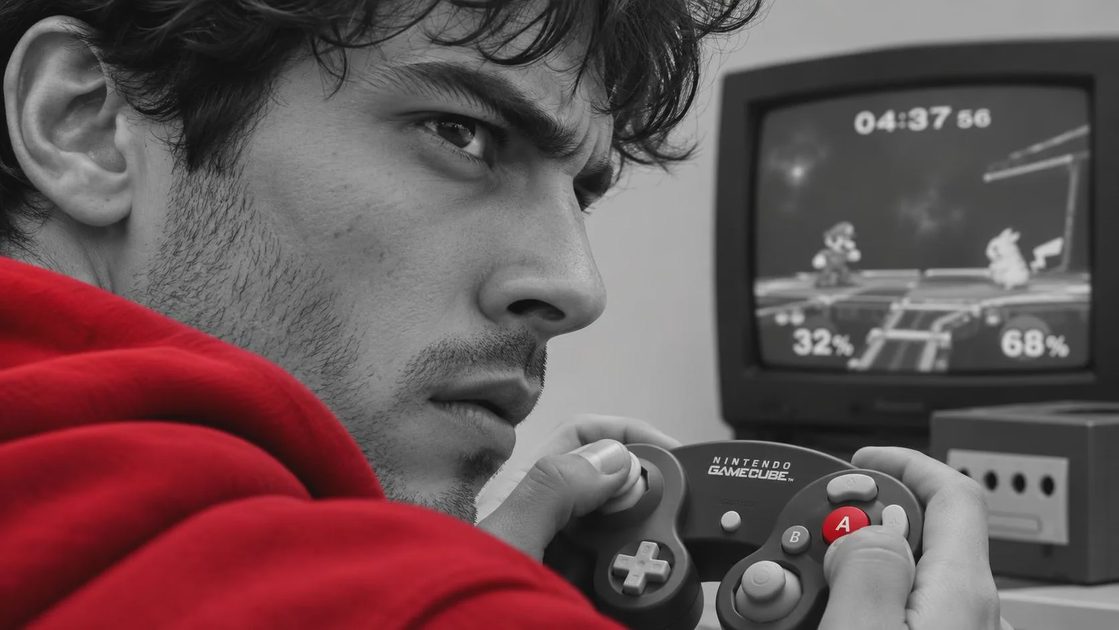
Role-playing games from this period can be extraordinary, but they require more patience. The Elder Scrolls IV: Oblivion still offers satisfying exploration and a world full of strange side stories, while Mass Effect makes conversation choices feel meaningful even when its shooting feels basic. Persona 4 rewards a long commitment with excellent character writing, but its school calendar and repeated dungeon structure are not ideal for someone who can play only two hours per week.
This is where games from 2000 to 2010 separate into “still worth loading” and “better as a memory.” A large RPG may have taken me 80 hours when I was younger because summer afternoons were easy to find. Now, the same adventure competes with family plans, work, and a backlog that keeps growing. I would still recommend Mass Effect or Dragon Quest VIII, but I would not pretend every classic needs to be finished. Playing for 10 or 15 hours can be enough to understand why it mattered.
Before starting, check whether the version you own supports modern resolution, reasonable load times, and convenient saving. A remaster can remove enough friction to make a long game feel possible again.
Sports, racing, and multiplayer age differently
Sports games are the clearest reminder that annual releases are tied to their moment. A favorite version of Madden, NBA 2K, or FIFA can still be enjoyable with friends, especially if the controls are familiar, but outdated rosters and missing online services limit their appeal for solo players. In that situation, the memory of a couch tournament may be stronger than the software itself.
Racing games have held up better. Mario Kart: Double Dash remains distinctive because of its two-driver mechanic. Burnout 3 still delivers short, exciting events without a career mode overloaded with chores. SSX 3 has a playful sense of speed and style that many modern sports games have replaced with progression systems and seasonal rewards.
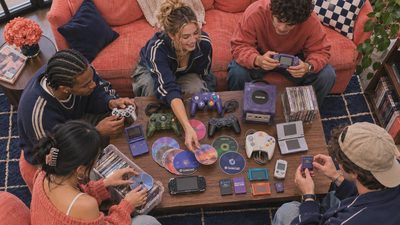
Local multiplayer is another advantage. If you have two controllers and a free evening, Timesplitters 2, Halo 2, Mario Party 6, or Guitar Hero can turn dated visuals into part of the atmosphere. These games from 2000 to 2010 work best when the room, not the resolution, is the main event.
The version you choose can change the verdict
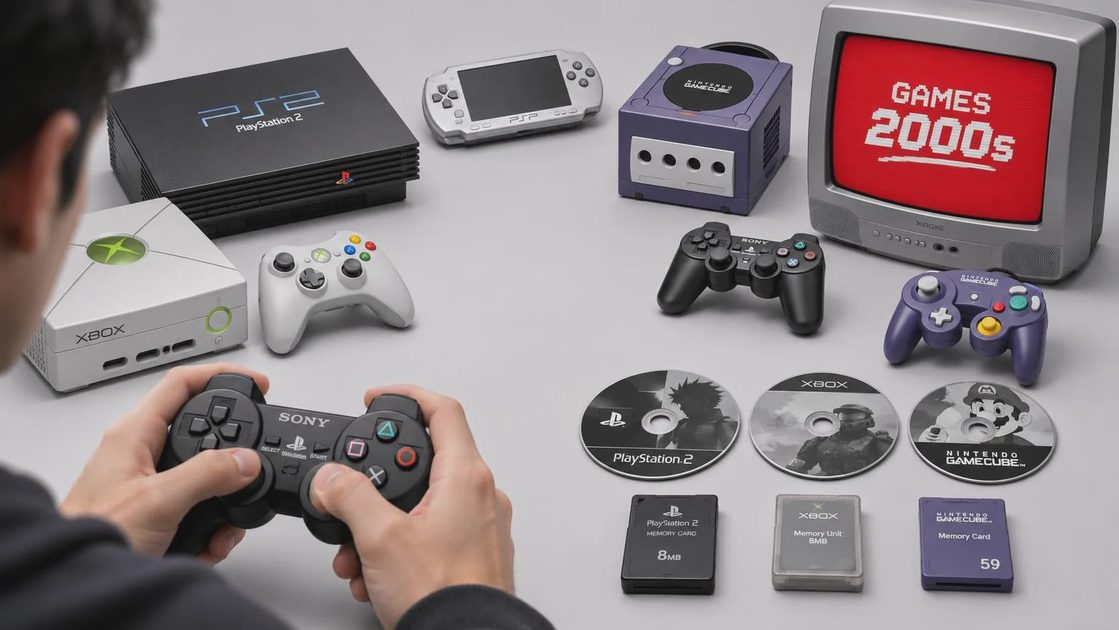
Do not assume the original disc is automatically the best route. Xbox backward compatibility can make older Xbox and Xbox 360 games easier to play, while PC editions may offer widescreen support, higher frame rates, community patches, or unofficial fixes. On the other hand, a port can introduce input problems, missing music, or visual changes that weaken the original mood.
For console games, compare the original release with a remaster before buying. The Uncharted collection, The Last of Us Remastered, Halo: The Master Chief Collection, and the Mass Effect Legendary Edition show how updates can improve resolution, controls, loading, or accessibility. They also demonstrate why preservation is not just about sharper textures. Better checkpoints and subtitles can make a familiar game far more practical.
If emulation is legal and appropriate for the game and hardware you own, it can provide useful features such as save states, resolution scaling, and controller remapping. Use those tools to remove needless friction, not to skip every challenge. The goal is to make the game playable in your current life.
A practical shortlist for a limited weekend
If you want to sample games from 2000 to 2010 without committing to a giant backlog, start with a clear purpose. Choose one short campaign, one repeatable multiplayer game, and one slower experience. For a short campaign, Portal, Prince of Persia: The Sands of Time, or Call of Duty 4: Modern Warfare can show their strengths quickly. For repeatable play, Mario Kart: Double Dash, Burnout 3, and Halo 3 still offer immediate fun. For a deeper weekend project, try Mass Effect, Metroid Prime, or Shadow of the Colossus.
Give each choice about 60 to 90 minutes before deciding. Notice whether the controls become comfortable, whether the next objective is clear, and whether you are curious about what happens next. Do not confuse tolerance with enjoyment. If you spend half the session searching for a missing key, adjusting camera control, or reading a guide for basic navigation, another game deserves your time.
That approach also protects good memories. You can stop before a favorite becomes a chore, then return later with better expectations.
The honest call on the decade
The strongest games from 2000 to 2010 are not valuable only because they influenced modern design. Many are still enjoyable on their own terms. They have clear mechanics, memorable worlds, and a willingness to end before every idea is exhausted. Others should be treated as historical landmarks, short visits, or multiplayer time machines rather than full campaigns.
My recommendation is to skip the obligation to play every famous title. Pick the game that matches your available time, find the least frustrating version, and accept that some rough edges will remain. If you have six hours this weekend, choose something with momentum instead of a 100-hour monument. That is the best way to revisit games from 2000 to 2010: with affection, but also with enough honesty to put the controller down when the memory is better than the present experience.
No signals yet — transmit the first.