The best ps2 games still have something modern releases often lack: a clear identity. You can start a campaign, understand its rhythm, and make real progress in a few evening sessions. That does not mean every PlayStation 2 favorite deserves a comeback. Some are slow, awkward, or better preserved as memories. The useful question is not whether a game was important in 2002. It is whether it still feels good to play when you have work, family, and perhaps six hours free this weekend.
What still works about the PS2 library
The strongest ps2 games usually succeed through design rather than technical spectacle. Shadow of the Colossus remains memorable because each encounter feels like a small expedition. God of War still delivers satisfying momentum, even if its camera and quick-time events show their age. Gran Turismo 4 offers an enormous amount of driving content, while Burnout 3: Takedown understands that a three-minute race can be more exciting than a two-hour open world.
That focused structure matters. Many modern games ask you to manage maps, crafting materials, seasonal rewards, skill trees, and side activities before the main idea becomes clear. Older games often let you reach the fun quickly. The tradeoff is friction: save points can be inconvenient, tutorials may be brief, and camera controls are sometimes stubborn. I can forgive those problems when the core loop remains sharp. I have less patience for games that make me fight the interface before the actual game begins.
The best places to start
If you want a practical shortlist, begin with games that communicate their appeal within the first hour. Ratchet & Clank: Up Your Arsenal is an excellent choice for colorful action, inventive weapons, and levels that keep moving. Psychonauts remains creative and funny, although its platforming can be uneven. SSX 3 is still one of the easiest recommendations for a short session because a few downhill runs feel complete rather than unfinished.
For role-playing, Persona 4 has exceptional character writing and a strong sense of place, but its length is a serious commitment. Final Fantasy X is more approachable if you want a traditional adventure with turn-based combat and a defined path. Both are rewarding, though neither is ideal when your gaming time comes in twenty-minute pieces.
The ps2 games I return to most often are not necessarily the biggest ones. Katamari Damacy, Okami, and We Love Katamari each have a distinct mood and a manageable learning curve. They feel like products made by teams pursuing an idea, not checklists assembled around a business model.
Games that require the right expectations
Metal Gear Solid 3: Snake Eater remains a remarkable stealth adventure, but its controls take time to relearn. The camera can be adjusted in later versions, yet the original design still expects patience. Silent Hill 2 has atmosphere that many newer horror games would love to recreate, but its combat is clumsy and its visual presentation is intentionally oppressive. If you approach it as psychological horror rather than a smooth action game, the rough edges become easier to accept.
The same is true of niche ps2 games such as Rule of Rose, Haunting Ground, and Shadow Hearts: Covenant. Their reputations and prices can distract from the actual experience. Availability is inconsistent, and some have aged unevenly. Do not spend collector-level money simply because a case is rare. If a game costs $100 or more in your area, look for a legal digital release, a reputable compilation, or another version before treating scarcity as proof of quality.
What feels dated fastest
Open-world design has aged unevenly on the PS2. Grand Theft Auto: San Andreas remains ambitious and entertaining, with a huge amount of variety, but driving, shooting, and mission structure can feel less precise than current players expect. The early 3D Grand Theft Auto games also rely heavily on repeated activities and long trips across the map. They are historically important, but important does not always mean replayable.
Licensed movie games are another risky category. A few are genuinely good, including The Warriors and Spider-Man 2, but many were built around a release deadline. Repetitive combat, awkward camera behavior, and short campaigns are common. Sports games have a similar problem: older entries can be enjoyable for local multiplayer, yet rosters, presentation, and online features make them poor replacements for newer editions.
Some ps2 games are better as a memory than a recommendation. Entering them with that sentence in mind prevents disappointment. You can appreciate what Tony Hawk's Underground meant to you while admitting that its later story missions are not as tight as the skating. You can remember Kingdom Hearts fondly while accepting that its camera and platforming are occasionally exhausting.
Original hardware, ports, and modern setups
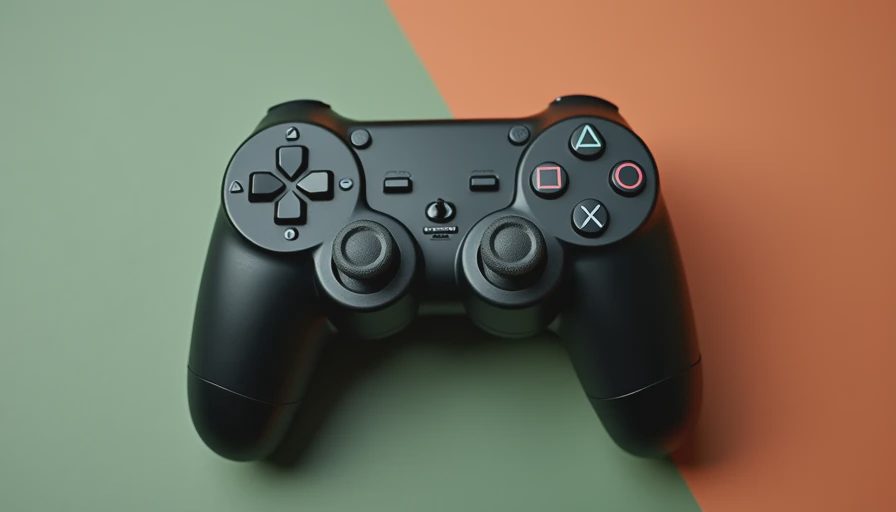
Your version can change the experience considerably. Original PlayStation 2 hardware provides the most authentic picture and controller feel, but a worn disc drive, aging memory card, or unreliable cables can turn setup into the main event. A used console often costs less than a single rare game, but inspect listings carefully and budget for a replacement memory card or compatible video adapter.
Emulation can be a convenient route when you own the games and use software responsibly. A modest modern laptop can often improve resolution, loading times, and save management, though individual titles may need configuration. Remasters are usually the easiest option. Shadow of the Colossus on PlayStation 4 is visually impressive, while Final Fantasy X/X-2 HD makes a long adventure more convenient. Ports are not automatically superior, so compare controls, performance, and available content before buying.
For ps2 games with awkward original camera systems, a larger display and comfortable seating can help more than graphical upgrades. I also recommend keeping a short session goal: finish two missions, clear one dungeon, or complete three races. That approach makes older pacing feel intentional instead of burdensome.
A simple way to choose your next game
Start with the mood you actually want. Choose Burnout 3 or SSX 3 when you need immediate action. Choose Okami or Ratchet & Clank for a colorful adventure. Choose Persona 4 or Final Fantasy X when you want a long-term project. Choose Silent Hill 2 or Resident Evil 4 for tension. Choose Guitar Hero II or a local fighting game when friends are visiting and nobody wants to learn a complicated system.
Then check the friction before committing. Is the game dependent on a camera you dislike? Does it require ten hours before the story becomes interesting? Are save points scarce? Is the best version expensive or difficult to find? A short video of actual gameplay can answer those questions faster than a glowing retrospective.
My rule for ps2 games is simple: give a strong candidate one focused evening. If the movement, menus, and basic loop still feel inviting after ninety minutes, continue. If you are already making excuses for it, move on. The library is large enough that nostalgia does not need to do all the work.
The honest verdict
The PS2 era is worth revisiting, but not as a museum where every remembered title receives equal respect. The best ps2 games still offer focused campaigns, unusual creative choices, and satisfying local play. The weaker ones reveal how much modern interfaces, checkpoint systems, and camera design have improved.
If you have limited time, begin with games that have a strong hook and low setup cost. Buy the version that makes playing easiest, not the one that looks most impressive on a collector shelf. A classic that asks for patience can still be rewarding, but patience should serve a great idea rather than excuse a mediocre one. That is the useful promise of the library: still worth loading, with the right expectations.

No signals yet — transmit the first.