A retro gaming console sounds like an easy answer to a familiar problem: you remember a game fondly, your original hardware is in a closet or long gone, and you want to play without spending a Saturday troubleshooting cables. The honest answer is more complicated. A good retro gaming console removes enough friction to make older games enjoyable again. A bad one turns nostalgia into blurry video, unreliable controllers, and a menu full of games you never wanted.
For a busy adult, the real question is not whether old games matter. It is whether this particular box helps you enjoy them now. I care less about having thousands of titles and more about whether I can sit down after the kids are asleep, choose something quickly, and feel that the first hour was worth my limited free time.
What a retro gaming console actually offers
The best modern systems package several useful conveniences into one small device. HDMI output replaces the old composite cable hunt. Save states let you pause a difficult game without finding a password or leaving the original hardware running overnight. Wireless controllers reduce clutter, while a front-end menu can make a PlayStation, Super Nintendo, Sega Genesis, or arcade library easy to browse from the couch.
That convenience matters more than raw game count. A box advertised with 10,000 games often includes repeated regional versions, obscure filler, arcade prototypes, and titles you will never launch. A smaller library with accurate emulation, sensible menus, and dependable saving is much better for an adult who has perhaps six hours this weekend.
A retro gaming console also gives you a practical way to revisit several eras without buying five working systems. You can move from a short Game Boy Advance session to a Genesis platformer, then try a PlayStation role-playing game that would otherwise require older cables and hardware. It is a useful doorway, not automatically a perfect museum piece.
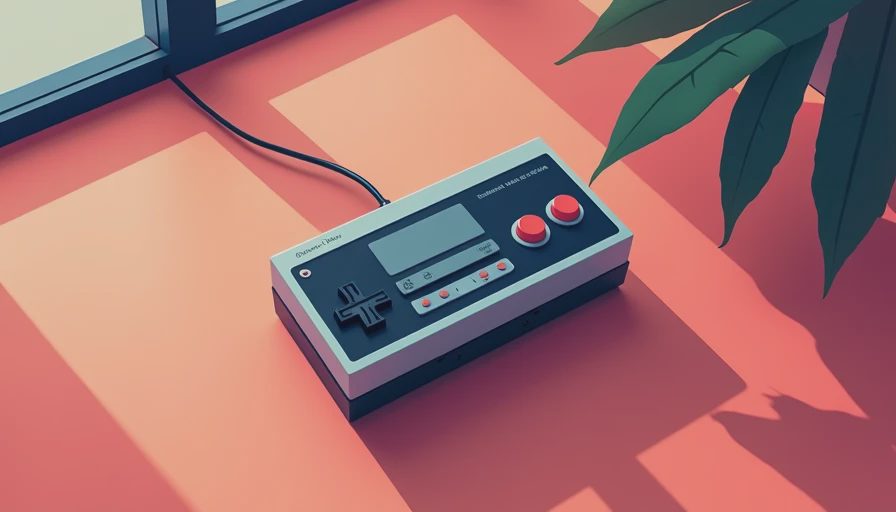
Where the experience still feels great
Older games often deliver something modern releases struggle to provide: immediate starts and clear goals. Super Mario World, Sonic 3, Tetris, Tony Hawk's Pro Skater 2, and many arcade conversions communicate their basic appeal within minutes. They do not require a 40-minute tutorial, a season pass, or a large map filled with chores before the fun begins.
This is where a retro gaming console can be genuinely valuable. If you want a 20-minute game before bed, quick access matters. A save state can turn a long campaign into manageable sessions, and a rewind feature can soften the harshest design without removing the challenge entirely. I have more patience for an older game when the hardware respects my schedule.
The strongest candidates are usually games built around movement, competition, or compact levels. Racing games such as Ridge Racer Type 4 still have a focused rhythm. Puzzle games remain easy to understand. Two-dimensional platformers often feel precise even when their graphics look dated. Some early 3D games are harder to recommend because cameras, menus, and character movement have aged together rather than separately.
The problems sellers do not emphasize
Not every retro gaming console is equally trustworthy. Cheap HDMI boxes can have inconsistent input lag, weak audio, poor scaling, and controllers that feel like toys. Input lag is especially damaging in a platformer or fighting game because the character responds a fraction later than your hands expect. You may blame yourself for missed jumps when the hardware is actually getting in the way.
Licensing is another practical concern. Many plug-and-play products include large collections without clearly explaining how the games were obtained. I would rather buy a system from a company that identifies its included library and supports legitimate software than reward a mystery device with copied ROMs. Official mini consoles from Nintendo and Sega have smaller selections, but their packaging, build quality, and legal status are easier to understand.
Compatibility can also disappoint. A retro gaming console designed for 8-bit and 16-bit systems may handle those games well but struggle with Nintendo 64, Saturn, Dreamcast, or PlayStation 2 software. Product pages often mention a system name without explaining whether every game runs smoothly. Treat broad compatibility claims as a starting point, not proof of a good experience.
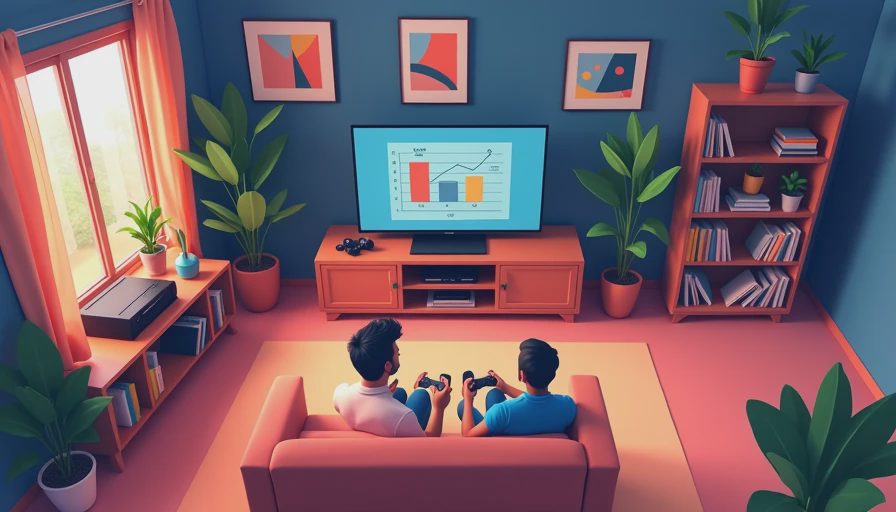
Choosing between a mini console, emulator box, and original hardware
An official mini console is the simplest choice. Nintendo's NES and SNES Classic systems, Sega's Genesis Mini line, and similar products generally offer polished menus and recognizable libraries. Their limitations are clear: the selection is fixed, controllers may be wired, and prices can rise in the resale market. For a handful of beloved games, that simplicity can be worth more than technical flexibility.
A small emulation computer offers more options. Devices built around Raspberry Pi hardware or compact Android systems can support multiple platforms, save states, filters, and wireless controllers. They also require more setup, including legal game files, controller pairing, storage management, and occasional configuration. This route makes sense if you enjoy adjusting a system, but it is not automatically better for someone who wants to play immediately.
Original hardware still wins for authenticity. A real GameCube controller, a CRT television, or an original Game Boy can reproduce the feel that software filters only imitate. The tradeoff is cost and maintenance. A working console may need a new disc drive, battery, memory card, or video adapter, and older controllers can have worn analog sticks. A retro gaming console is often the more sensible compromise when authenticity matters less than reliable access.
How to judge the controller and picture quality
Do not treat the controller as an accessory. It is the part you touch for every minute of play. For Super Nintendo-style games, a good D-pad and responsive face buttons matter more than rumble or extra triggers. For PlayStation games, analog sticks should return to center cleanly. If a package includes four controllers for an unusually low price, expect compromises in button feel, cable length, or durability.
Picture quality deserves the same attention. Basic smoothing can make pixel art look muddy, while aggressive sharpening creates halos around characters and text. Look for systems that offer a clean 720p or 1080p output, a useful aspect-ratio option, and the ability to disable unwanted filters. A modern television can display older games well, but the result depends on the console's scaling rather than the TV alone.
Before buying a retro gaming console, watch a few unedited gameplay demonstrations. Pay attention to menu speed, audio crackle, screen borders, controller response, and whether save states survive a restart. A five-minute video often reveals more than a product page full of platform logos.
The honest buying call for busy adults
If you want a short list of 8-bit and 16-bit favorites with almost no setup, an official mini system or a reputable plug-and-play product is the safest starting point. If you want several generations and enjoy tinkering, choose a better-supported emulation device with a clear operating system and replaceable storage. If you want the original feel above all else, spend the money on clean original hardware and one excellent controller instead of a giant bargain library.
The right retro gaming console should make you play more, not collect more. Set a budget of roughly $60 to $150 for a straightforward modern setup, then reserve some money for a quality controller and, if needed, a compatible power adapter. Avoid paying collector prices unless the physical object itself is what you want.
My final test is simple: can I turn it on, reach a game in under two minutes, and enjoy a complete session without fighting the hardware? If yes, it has earned a place beside the television. If not, the device is better as a memory of shopping for retro games than as a recommendation. Important does not always mean replayable, but the right setup can still make a classic feel worth loading in 2026.

No signals yet — transmit the first.