A retro game console can be an excellent way to revisit the games that filled childhood bedrooms, college apartments, and weekend sleepovers. It can also become an expensive box of nostalgia that gets played twice before gathering dust. The difference comes down to what you want to play, how much setup you tolerate, and whether your current schedule allows for older games with rough edges.
I have less free time than I did at 18, so I judge a retro game console by a simple question: will I still want to turn it on after a long workday? The answer depends less on collecting every model and more on choosing a system that makes the right games easy to reach.
What a retro game console actually gives you
The basic appeal is obvious. A dedicated system gives you a small, focused library instead of the endless scrolling found on a modern subscription service. You sit down, choose a game, and start playing. For adults with a backlog already measured in years, that limitation can be useful.
A good retro game console also recreates a particular kind of frictionless evening. A two-player platformer, arcade racer, or short puzzle game fits naturally into 30 or 45 minutes. You do not need to learn a 70-hour crafting system or remember twelve quest lines from last month. Games such as Super Mario World, Sonic the Hedgehog 2, Street Fighter II, and Tetris still communicate their ideas quickly.
The catch is that nostalgia can hide inconvenience. Original cartridges need cleaning, aging controllers can develop unreliable buttons, and composite video may look soft on a newer television. Some older games save through batteries that can fail. A system can be authentic and still be irritating to use.
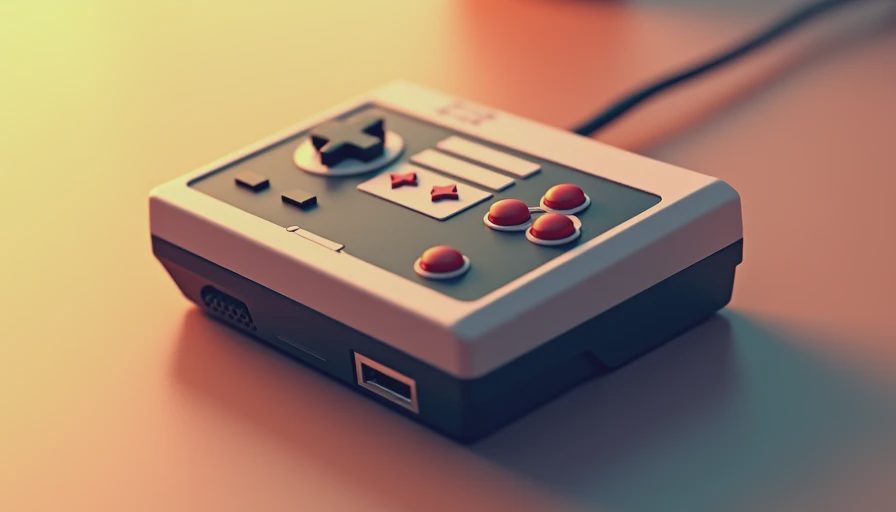
Original hardware, mini systems, or modern alternatives?
Original hardware is the best choice when you already own cartridges and want the physical experience. A used Super Nintendo, Sega Genesis, Nintendo 64, or original PlayStation can feel wonderfully direct. Prices vary sharply by condition, included controllers, and whether the seller has tested the console. Expect roughly $80 to $200 for a common working system, while cleaner bundles and uncommon models can cost much more.
Mini systems are easier for most busy players. Nintendo’s NES Classic and SNES Classic, Sega’s Genesis Mini, and the PlayStation Classic are compact, simple, and designed for modern televisions. Their included libraries are fixed, but that is not necessarily a weakness. A smaller menu helps you play instead of endlessly researching.
A modern emulation device can offer broader coverage, save states, HDMI output, and quick access to multiple platforms. Brands such as Anbernic, Retroid, and Valve’s Steam Deck appeal to different budgets and levels of technical patience. The important distinction is legal ownership: use games and software you own, and pay attention to the rules where you live. A polished setup is valuable only if it lets you start playing without constant troubleshooting.
The games matter more than the shell
When choosing a retro game console, begin with five or ten specific games rather than a brand name. If your list is mostly Game Boy Advance titles, a Genesis-focused system will not solve your problem. If you want GoldenEye 007, Mario Kart 64, or The Legend of Zelda: Ocarina of Time, you need to think about Nintendo 64 support, controller layout, and input accuracy.
Make three columns: games you loved, games you missed, and games you only remember because friends talked about them. That third column deserves caution. Important does not always mean replayable. Some historically important games have stiff cameras, punishing save systems, or long stretches of repetition. They can be worth studying without being the best use of a Wednesday night.
For short sessions, arcade collections and two-dimensional platformers are usually safer buys. For longer weekend sessions, role-playing games can still work if the system offers reliable save states or an easy way to suspend play. A retro game console with poor saving options can turn a pleasant game into a commitment that no longer fits adult life.
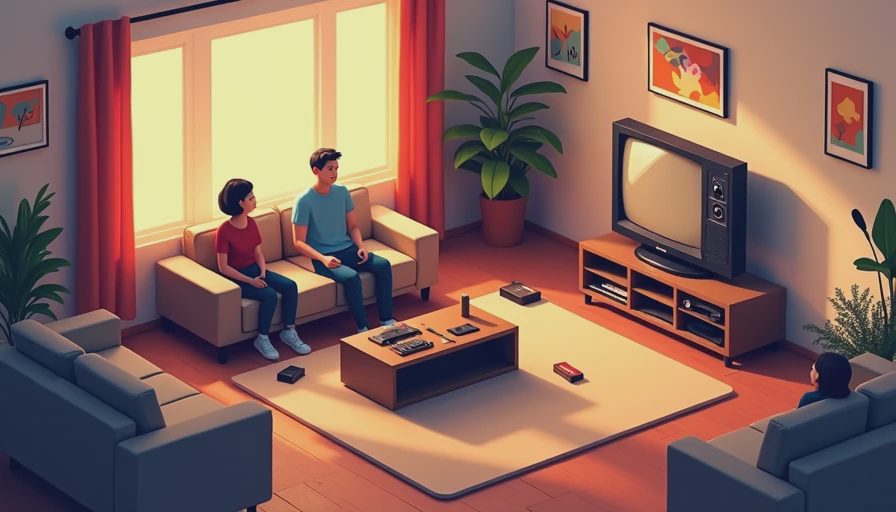
Features worth paying for
The most useful feature is dependable video output. HDMI support eliminates a surprising amount of television compatibility frustration, especially with newer 4K sets. Look for clear information about resolution, input lag, and whether the system upscales the picture cleanly. A cheap converter can work, but some introduce delay that makes action games feel wrong.
Save states are another practical upgrade. They should not replace a game’s original challenge, but they let you stop before bedtime without losing 40 minutes of progress. Multiple controller ports matter if you plan to play Mario Kart, Bomberman, or a fighting game with friends. Wireless controllers are convenient, although wired pads often provide more consistent response and avoid charging another device.
Storage expansion, menu speed, and controller quality are more important than decorative shells. A $60 system with poor buttons is not a bargain if you need to replace the pads immediately. Spend the extra money on a reputable controller before paying for a fancier case or a larger game list.
How to avoid buying a nostalgia trap
Before purchasing, watch ten minutes of real gameplay from the exact model you are considering. Do not rely only on promotional screenshots. Check how quickly the menu loads, how the controller feels, whether the picture has distracting borders, and whether games run at the correct speed.
Then set a realistic budget. Around $100 can buy a capable mini system, used console bundle, or entry-level handheld. Between $150 and $300, you can usually get better build quality, broader platform support, or a more flexible handheld device. Above that range, you should know exactly which experience you are buying rather than assuming a higher price creates more enjoyment.
Also ask where the system will live. A console hidden behind the television is less likely to be used than a handheld kept near the couch. If you have children, consider durability and simple menus. If you play after everyone else is asleep, headphone support may matter more than four-player ports.
My practical recommendation for 2026
For most adults returning to older games, I would start with a focused mini system or a well-reviewed modern handheld, not an expensive original hardware collection. Choose the platform that matches your favorite games, connect it to the television you actually use, and buy one good controller. That approach keeps the ritual without turning gaming into a repair project.
A retro game console is at its best when it removes decisions. You finish dinner, pick up the controller, and within two minutes you are guiding a character through a level you understand. It should not require a forum deep dive every time the picture flickers or a save disappears.
The right choice will not make every classic feel young again. Some games are better as a memory than a recommendation, and that is fine. Others still have sharp controls, readable goals, and a satisfying rhythm that modern releases sometimes bury under excess. If you have six hours this weekend, choose the system that gets you to those games fastest. That is the retro game console worth loading.

No signals yet — transmit the first.