Retro games are easy to romanticize when you remember a bedroom CRT, a stack of cartridges, or the sound of a PlayStation 2 disc tray closing. The harder question is whether those games deserve your limited free time now. I am not interested in calling everything from the past a masterpiece. A game can be historically important, personally meaningful, and still feel like a chore on a Tuesday night.
For busy adults, the best retro games are not necessarily the oldest or most influential. They are the ones with readable controls, a reasonable pace, and enough personality to survive modern expectations. If you have six hours this weekend, the goal is not to complete a museum tour. It is to find something that still feels good to play.
What makes retro games worth revisiting?
The first test is friction. Does the game explain itself clearly? Can you save without losing half an evening? Do the controls respond consistently, or are you wrestling with an interface designed around a different era? These details matter more after a long workday than they did when you were twelve and willing to retry the same stage for three hours.
Games such as Super Mario World, Castlevania: Symphony of the Night, The Legend of Zelda: A Link to the Past, and Tony Hawk's Pro Skater 2 remain strong because their central actions are immediate. Running, jumping, exploring, or chaining tricks feels satisfying within minutes. Their age is visible, but the design underneath is sturdy.
By contrast, some celebrated games ask you to tolerate awkward camera behavior, unclear objectives, or long stretches of travel before the interesting part begins. That does not make them worthless. It means the recommendation needs conditions. Metal Gear Solid is still compelling for its atmosphere and strange humor, but its backtracking and control scheme can feel stiff. Important does not always mean replayable.
Choose the version before choosing the game
The version you play can change the entire experience. An original cartridge or disc may preserve the intended look and sound, but it can also involve expensive hardware, aging batteries, memory cards, and inconvenient save systems. A legal digital rerelease often gives you cleaner output, suspend features, or adjustable display options for $5 to $30, depending on the platform and sale price.
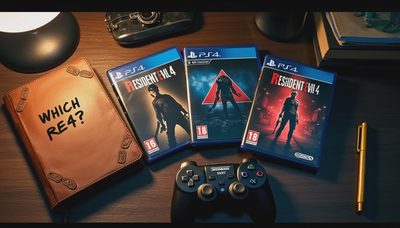
Remasters deserve a careful look rather than automatic approval. The Shadow of the Colossus remake is visually impressive and easier to access, while the original has a distinct atmosphere that some players prefer. Resident Evil 4 is available in several forms, but the modern remake is not simply a sharper version of the same campaign. It changes pacing, combat, and tone. If you want the classic design, select the original release or a faithful port. If you want a smoother modern action game, choose the remake and understand that it is a reinterpretation.
Emulation can also be useful when you own the game and use a setup that follows local law. A modest PC, a USB controller from 8BitDo, and a front-end such as RetroArch can make older libraries comfortable on a television. Still, configuration is part of the cost. Spending two hours adjusting shaders and controller profiles is not a victory if you never start the game.
The best genres for a limited schedule
Platformers are usually the safest place to begin because their goals are direct. Super Mario Bros. 3, Donkey Kong Country, Mega Man X, and Kirby Super Star can deliver a satisfying session in 20 or 30 minutes. You can finish a few stages, stop cleanly, and remember what you were doing next time.
Arcade racers work for the same reason. Mario Kart: Double Dash, Burnout 3: Takedown, and Ridge Racer Type 4 offer quick feedback without requiring a detailed story recap. Burnout 3 is especially good for a tired evening because its crashes, shortcuts, and aggressive races communicate their appeal immediately.
Role-playing games are more complicated. Chrono Trigger remains unusually approachable, with brisk battles and a focused structure. Final Fantasy VII still has memorable characters and a huge sense of adventure, but its random encounters and early translation quirks can test patience. Persona 4 offers depth and atmosphere, yet its calendar structure demands a larger commitment. The right choice depends less on reputation than on whether you can reliably give the game several evenings each week.
Where nostalgia helps and where it misleads
Nostalgia is not a flaw. It is part of why a game can matter. Returning to a favorite Game Boy Advance title may reconnect you with a particular summer, a friend, or the feeling of discovering a secret without an online guide. That emotional response is real, even when the game itself is rougher than memory suggests.
The trouble starts when memory fills in missing quality. A game you remember as enormous may actually have a short campaign padded by repeated objectives. A multiplayer favorite may lose its magic without the people who made it funny. Some retro games are better as a memory than a recommendation, and admitting that does not erase what they meant to you.
Try a two-session test. Play for 45 minutes on one night, then another 45 minutes a few days later. Notice whether you are curious about the next level or merely protecting the memory. If the only pleasure comes from recognizing music, menus, and old character models, watch a retrospective and move on. Your time is more valuable than a forced reunion.
A practical way to pick your next replay
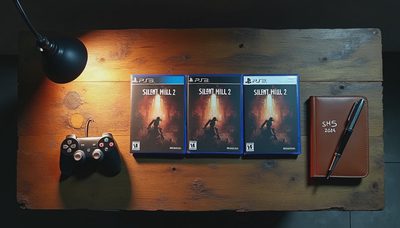
Start with the mood you actually have, not the game you think you should appreciate. For a short, energetic session, select a platformer, arcade racer, or score-based action game. For a longer weekend project, consider a survival horror game such as Silent Hill 2 or a focused adventure such as Metroid Prime. For a story-heavy commitment, check the total length and save structure before installing anything.
Next, confirm the least frustrating version. Search for whether the port has missing music, altered controls, poor widescreen support, or input lag. The PlayStation 2 edition may be the one you remember, but a GameCube or PC version could offer better performance. On the other hand, a remaster can introduce visual changes that make an old favorite feel unfamiliar.
Finally, set a stopping point. Give the game two or three sessions, then make a clear call. If the controls improve as you play and the world keeps offering new ideas, continue. If every session begins with irritation, put it down without guilt. Retro games are supposed to add pleasure to your week, not create another obligation.
Five reliable starting points
If you want a balanced shortlist, begin with games that communicate their strengths quickly. Super Mario World is precise and welcoming without being shallow. Portal is short, funny, and still excellent for players who missed it. Metroid Prime rewards exploration while offering a usable map and strong atmosphere. Street Fighter II remains a good local multiplayer choice if you have a willing opponent. Finally, The Legend of Zelda: The Wind Waker brings charm, expressive animation, and a clear sense of adventure, even if its sailing sections are slower than memory suggests.
These choices cover different moods without requiring collector hardware or a 100-hour commitment. They also show why retro games remain worth discussing: age affects every title differently. Some need a modern port, some need patience, and some only need you to stop expecting them to be the game you remember.
The honest call
The strongest retro games still hold up because their core decisions remain enjoyable, not because they received a permanent exemption from criticism. Look for responsive controls, manageable pacing, and a version you can access without turning setup into a hobby. Then give the game a fair trial and judge the experience in front of you.
That approach leaves room for both discovery and nostalgia. You can revisit a PlayStation 2 favorite, find a forgotten PC shooter, or decide that a famous classic is not for you. The point is not to prove that the past was better. It is to find out which retro games can still earn a place beside the games you play today.
No signals yet — transmit the first.