DOS computer games occupy a strange place in my backlog. They are historically important, often wonderfully inventive, and sometimes much less pleasant to play than memory suggests. As someone fitting games around work, family, and the occasional quiet evening in Madison, I do not want to spend six hours wrestling with sound settings just to discover that a beloved classic feels like homework. The good news is that the best examples still offer ideas, atmosphere, and mechanical clarity that many modern releases have misplaced.
What makes DOS games worth revisiting?
The strongest DOS computer games were built around limitations. Developers could not rely on massive storage, cinematic voice acting, or a dozen tutorial systems. They had to make a corridor, spaceship, dungeon, or battlefield interesting through rules and imagination. That constraint produced games with strong identities. Doom feels immediate because its movement, weapons, enemies, and spaces all point in the same direction. X-COM: UFO Defense remains tense because every decision can create a problem several turns later. SimCity 2000 still makes a rainy evening disappear through simple feedback loops.
That does not mean everything from the era deserves a second chance. Early 3D graphics can be disorienting, keyboard controls may feel alien, and some games expect you to read a manual before understanding the first screen. Important does not always mean replayable. The best return trips are usually games with a clean central idea, adjustable difficulty, or short sessions that respect an adult schedule.
When I look at DOS computer games now, I ask three questions. Is the main interaction still satisfying? Can I understand the rules without a printed manual? Does the game create enough variety to justify returning after the first nostalgic hour? Those questions separate a living classic from a museum piece.
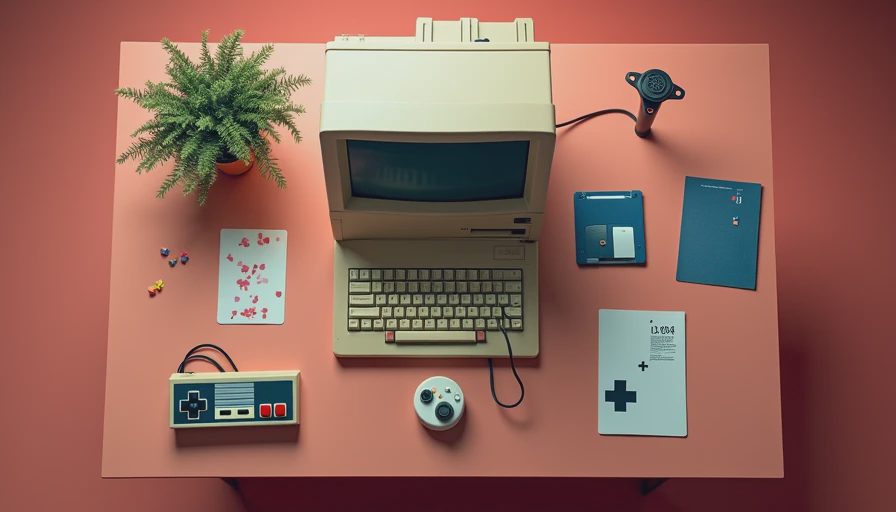
The classics that still feel good
Doom and Doom II remain the easiest recommendations. Their pixel art is readable, the weapons feel distinct, and the level design rewards movement rather than hiding behind complicated systems. A modern player can finish a short session and feel progress without committing to a hundred-hour campaign. Heretic and Hexen are also worth a look if fantasy weapons and more elaborate puzzles sound appealing, although Hexen can be less welcoming when its exploration becomes vague.
For strategy, X-COM: UFO Defense is still brilliant if you enjoy consequences. You manage research, equipment, finances, and a squad whose survival is never guaranteed. The interface is old, but the tension is not. Command & Conquer offers a more immediate alternative, with clear objectives and satisfying base construction. Civilization remains fascinating for players who prefer long-term planning, though a single campaign can consume an entire weekend before you notice the clock.
The adventure category is more complicated. The Secret of Monkey Island and Day of the Tentacle still deliver sharp writing, memorable characters, and puzzles that mostly feel fair. Their humor survives because it is built into the situations rather than dependent on dated references. Full Throttle is shorter and easier to recommend when time is limited. Some other graphic adventures are better as a memory than a recommendation because their parser, inventory logic, or obscure puzzle solutions creates friction before the story can work.
Where nostalgia starts doing too much work
Many DOS computer games are remembered through a soft filter. We recall playing late at night, hearing a Sound Blaster crackle through small speakers, and feeling that a 486 PC could open an entire universe. That experience was real, but it does not automatically make every game enjoyable today. A slow interface that seemed mysterious at age twelve can feel exhausting after a full workday.
Flight simulators and early role-playing games show this divide clearly. Wing Commander still has cinematic ambition and a strong sense of place, but its combat and menus require patience. Ultima VII offers a remarkably reactive world, yet its controls and pacing can feel demanding if you are expecting modern convenience. These games are worthwhile when you specifically want to study design history or settle into a long project. They are not automatic recommendations for someone seeking a quick weeknight game.
The same applies to multiplayer memories. Playing Duke Nukem 3D or Quake with friends in the same room was a social event, not merely a software experience. Alone, the jokes may land less often and the campaign can reveal repetitive structures. That is not a failure of the games; it is a reminder that context was part of what made them special.
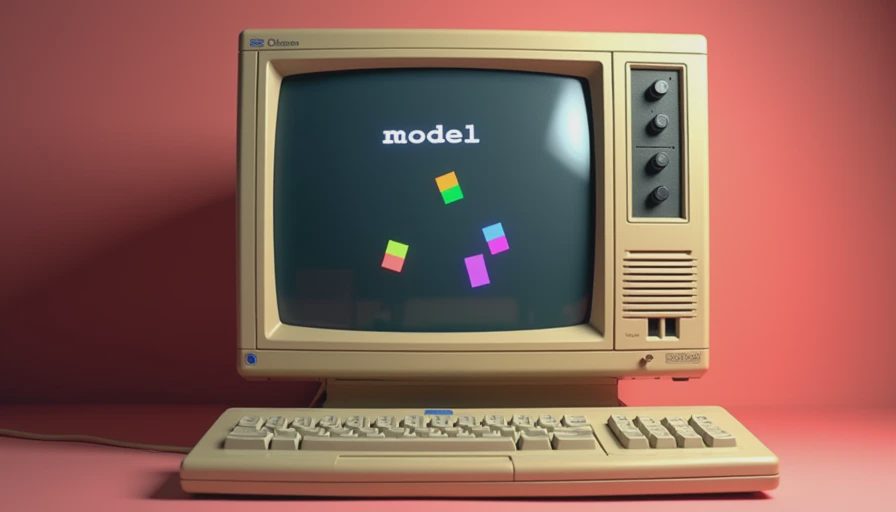
The easiest ways to play today
You do not need a vintage computer, a beige monitor, or a box of fragile floppy disks to try DOS computer games. Many are available through digital stores such as GOG, where DOSBox is commonly configured behind the scenes. That route is usually the least frustrating because it handles emulation, installation, and basic compatibility in one package. Steam also carries some older releases, though the quality of each port or bundle deserves a quick look before buying.
DOSBox remains useful when you already own original files or want more control. You can adjust cycles, mount folders, map keyboard shortcuts, and save different configurations for games with different requirements. A front end such as DOSBox-X can make experimentation easier, but beginners should not feel obligated to learn every setting. Start with the default configuration, confirm that sound works, and change one option at a time.
For a living-room setup, a small Windows, Linux, or Steam Deck installation can work well. A Bluetooth controller is helpful for games designed around directional movement, while a keyboard is still better for strategy, adventure, and simulation titles. Increase the game window rather than stretching it aggressively; preserving the original aspect ratio usually makes old artwork look cleaner.
A practical weekend shortlist
If you have six hours this weekend, here is the honest call. Start with Doom for immediate action, then try X-COM: UFO Defense if you want a slower challenge. Pick The Secret of Monkey Island or Day of the Tentacle for a relaxed evening with writing at the center. Choose SimCity 2000 when you want something you can play for twenty minutes, stop, and resume later. These four cover different moods without demanding a complicated setup.
I would approach Ultima VII, Wing Commander, and Civilization with a larger time budget. They can be excellent, but their rewards arrive gradually. If you are curious about the roots of the first-person shooter, Quake is still a strong choice, especially when paired with a modern source port that makes resolution and input settings painless. For a shorter tactical experiment, try Syndicate, but expect its interface to take a little practice.
Before installing anything, decide what kind of evening you want. Nostalgia favors familiar names, while limited time favors readable controls and quick progress. That small distinction prevents a lot of abandoned downloads.
My final verdict
DOS computer games are still worth loading, but not as a single category. Some remain genuinely fun, some are valuable historical experiments, and some should stay in your memories. Doom, X-COM, classic adventure games, and SimCity 2000 continue to earn their place because their core ideas remain clear. They do not need modern graphics to communicate what makes them compelling.
The smartest approach is to use convenience tools, choose one game that matches your available time, and give it an honest hour rather than an automatic nostalgia pass. If the controls fight you and the central loop never becomes interesting, move on without guilt. There are too many good DOS computer games to spend your evening forcing yourself through the wrong one. The right classic still feels surprisingly direct: load it, understand it, and start making decisions within minutes.


No signals yet — transmit the first.