There is a particular kind of temptation in old school games. You remember the startup sound, the couch, the late-night sessions, and the feeling that a new cartridge or disc could swallow an entire weekend. Then you launch the game again and discover that your memory edited out the awkward camera, long passwords, limited saves, and fifteen-minute tutorial nobody could skip. The question is not whether a game was important. The question is whether it still deserves your time now.
I approach old school games as a 38-year-old with a job, a family, and fewer uninterrupted evenings than I had in college. Some classics remain remarkably playable. Others are better as a memory than a recommendation. Here is how I separate the two.
What Makes an Older Game Still Playable?
The strongest old school games usually get three things right: movement, pacing, and a clear reward for your attention. Super Mario World still feels immediate because running and jumping require almost no explanation. The Legend of Zelda: A Link to the Past remains inviting because exploration, combat, and discovery reinforce one another. Tony Hawk's Pro Skater 3 can teach its basic loop in seconds and still make a short session satisfying.
Age matters less when the core action feels clean. A game with simple graphics can be easier to return to than a technically impressive title overloaded with menus and upgrade systems. I can start a ten-minute run in an arcade racer, finish a stage in a platformer, or clear one mission in an older shooter without first rebuilding a mental spreadsheet.
Pacing is just as important. Some old school games respect momentum by giving you frequent checkpoints and compact objectives. Others were padded to extend rental value, with repeated corridors, backtracking, or difficulty spikes that feel less like challenge and more like a demand for extra time.
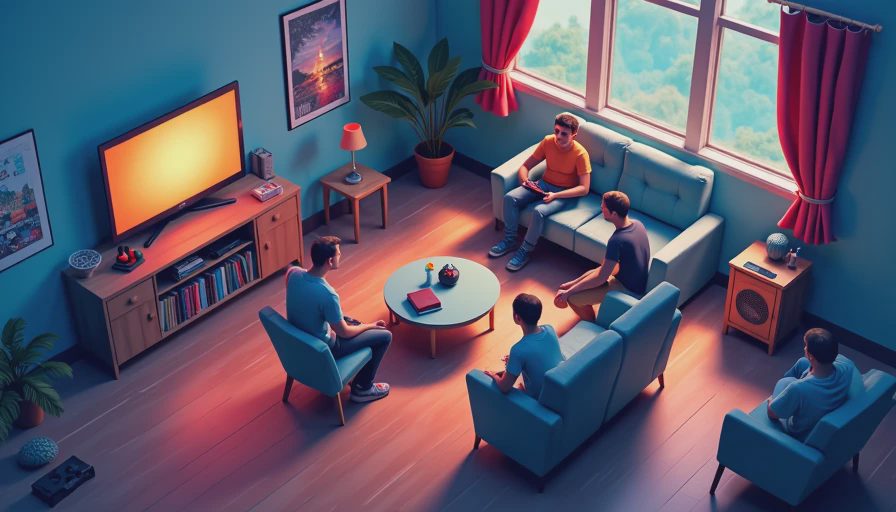
Nostalgia Is Useful, But It Is Not Evidence
Nostalgia tells you where to look. It does not prove the game is still good. When I revisit the original Xbox version of a favorite, I try to notice what I am actually enjoying: the controls, the atmosphere, the level design, or simply the memory of playing it with friends. Those are different experiences, and each deserves an honest label.
For example, early 3D platformers can have wonderful worlds and miserable cameras. A title might still be worth loading if its personality carries you through occasional frustration, but it is not fair to pretend the camera is fine. Likewise, an old role-playing game may feature excellent characters while asking for long stretches of random battles. If your schedule is tight, that friction changes the recommendation.
This is why old school games should be judged in context rather than placed on a pedestal. A game can be historically important and still be a poor choice for a first playthrough in 2026. It can also be technically rough but perfect for someone who wants a focused, unusual experience.
The Best Places to Start
If you have not played these titles before, start with games built around readable goals. Super Metroid remains a strong entry point for exploration because its map, upgrades, and shortcuts communicate through play. Portal is older now, but its concise puzzles and dry writing still work without much patience for period-specific habits. Resident Evil 4 offers a more demanding control scheme in its original form, yet its encounters remain carefully structured and memorable.
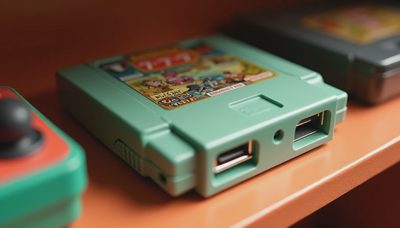
For handheld old school games, the Game Boy Advance library is especially friendly to modern schedules. Advance Wars supports short turns, Castlevania: Aria of Sorrow offers satisfying progress without an enormous commitment, and Mario Kart: Super Circuit can deliver a quick burst of competition. These games do not require you to remember every convention from the era before you can have fun.
On PC, look for versions with modern resolution options, remapping, and cloud saves. The original release of Deus Ex is worth experiencing, but a community patch that improves compatibility can remove needless setup trouble. The goal is not to sanitize an old game. It is to clear away technical barriers so you can evaluate the design itself.
Original, Remaster, Port, or Emulator?
The version you choose can determine whether old school games feel inviting or exhausting. A good remaster can improve texture clarity, loading times, subtitles, and controller support without changing the basic rhythm. The 2013 release of The Legend of Zelda: The Wind Waker HD, for instance, makes a long adventure easier to manage through quality-of-life adjustments. Some remasters go further and alter lighting, audio, or character models, so screenshots and reviews are worth checking before buying.
Ports are more inconsistent. A handheld conversion might preserve the campaign while cutting levels or changing music. A backward-compatible console edition can be convenient, but input delay, widescreen stretching, or missing online features may affect the experience. Emulation is another practical route for games you already own or can legally access, especially when save states and display filters help fit a thirty-year-old design into a modern routine. Use it responsibly and avoid treating preservation as a reason to ignore ownership and licensing.
I usually choose the version with stable controls, dependable saves, and the fewest hours spent troubleshooting. Authenticity matters, but a game that crashes before the second level is not delivering a better historical experience.
A Simple Test for Your Backlog
Before committing to a sixty-hour replay, give the game one focused session. Play for roughly forty-five minutes without looking up a guide. Notice whether you understand the objective, whether movement feels natural, and whether you are curious about the next area. Those answers reveal more than a perfect review score from twenty years ago.
Then ask four practical questions. Can I save when I need to stop? Does the game provide enough variety to avoid repetition? Are its difficult sections demanding because of skill, or because of poor information? Finally, would I recommend this to a friend who has never played it?
That last question is useful because it forces the memory out of the room. Some old school games deserve enthusiastic recommendations. Others deserve a shorter recommendation with conditions: play the remaster, use a guide for navigation, lower the difficulty, or stop after the strongest campaign chapter. Honest limits make praise more credible.
My 2026 Recommendation
If you have six hours this weekend, choose a game with a strong central loop and low setup friction. Try a compact campaign such as Portal, a polished platformer such as Super Mario World, or a focused action game such as Metal Slug 3. Save the enormous role-playing epic for a period when you genuinely want a long project rather than a quick nostalgia hit.
The best old school games do not need excuses every ten minutes. They can show their age in graphics or interface design while remaining clear, purposeful, and fun. The weaker ones can still matter, but importance does not always mean replayable. Load the version that fits your schedule, give it a fair session, and be willing to close it when the memory is better than the present experience.

No signals yet — transmit the first.