Classic games have a difficult job in 2026. They are competing with polished new releases, quick mobile distractions, and a calendar that rarely leaves adults a free Saturday. A game that felt enormous on the PlayStation 2 or original Xbox can feel slow, awkward, or surprisingly small now. That does not make the memories false. It simply means the memory and the recommendation deserve separate tests.
When I revisit classic games after work, family dinner, and the usual pile of small responsibilities, I am not looking for historical importance alone. I want controls that make sense, a pace I can tolerate, and a reason to keep playing after the first hour. Some older games pass that test easily. Others are better as a memory than a recommendation.
What makes a classic game worth your time?
The best classic games usually have a strong central idea that remains enjoyable without explanation. Super Mario World still feels precise because movement, level design, and difficulty work together. The Legend of Zelda: The Wind Waker remains inviting because exploration has a clear rhythm, even when the sailing stretches out. Half-Life 2 still understands how to introduce ideas through play instead of long tutorials.
That lasting quality is different from being first. A game can be historically important and still be frustrating to play today. Early 3D camera systems, save points, escort missions, and muddy menus were normal once, but modern players have less patience for friction that does not add meaning. If a game asks you to repeat twenty minutes because of one missed checkpoint, nostalgia should not get a free pass.
I also look at how quickly a game shows its best qualities. A busy adult may have three hours across a week, not an entire summer. Classic games that establish their loop in the opening session are easier to recommend than sprawling adventures that require ten hours before they become interesting. Strong atmosphere helps, but convenience and readable design matter just as much.
The right version can change the verdict
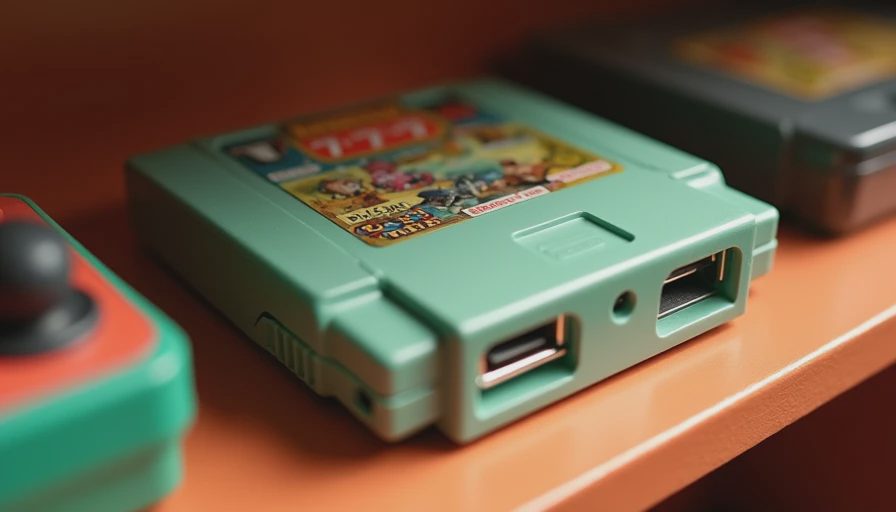
Version choice is often the difference between enjoying classic games and quietly abandoning them. A backward-compatible console release may offer cleaner resolution and convenient suspend features. A remaster might improve loading, camera behavior, or subtitle options, while introducing new visual choices that longtime fans dislike. An original disc can preserve the exact feel, but hardware, cables, and save storage can turn a relaxed evening into a setup project.
For PC players, storefront availability is only part of the question. Check whether a release includes controller support, widescreen options, stable frame pacing, and a way to adjust text size. Community patches can solve issues, but installing several fixes after a long workday is not everyone’s idea of recreation. A reliable console port is sometimes preferable to a technically flexible version that needs constant tinkering.
Price matters too. Paying $60 for an older title because of scarcity is a different decision from spending $10 during a digital sale. Used copies of popular games can range from roughly $15 to $40, while collector-focused editions can cost far more without improving the play experience. I would rather recommend a common, affordable version than pretend expensive packaging makes a game better.
A practical shortlist for different moods
If you want a focused evening, try a compact action game such as Metal Slug 3, F-Zero GX, or Devil May Cry 3. These games communicate their appeal quickly and work well in sessions of thirty to ninety minutes. They can be demanding, but their demands are visible. You know whether the rhythm suits you before investing an entire weekend.
If you want a longer story, Mass Effect 2, Persona 4 Golden, and The Elder Scrolls IV: Oblivion still offer strong reasons to settle in. Each benefits from patience, though each also shows its age. Mass Effect 2 has shooting that feels less refined than later entries, Persona 4 Golden asks you to manage a dense calendar, and Oblivion’s faces and combat can be distracting. Their character work, world-building, and sense of progression still carry them.
For something quiet, classic games such as Animal Crossing: Wild World or Professor Layton and the Curious Village can fit around modern routines. They do not demand a heroic commitment every time you turn them on. That is an underrated quality when your best gaming window starts at 9:30 p.m.
What has aged badly, and how much should it matter?
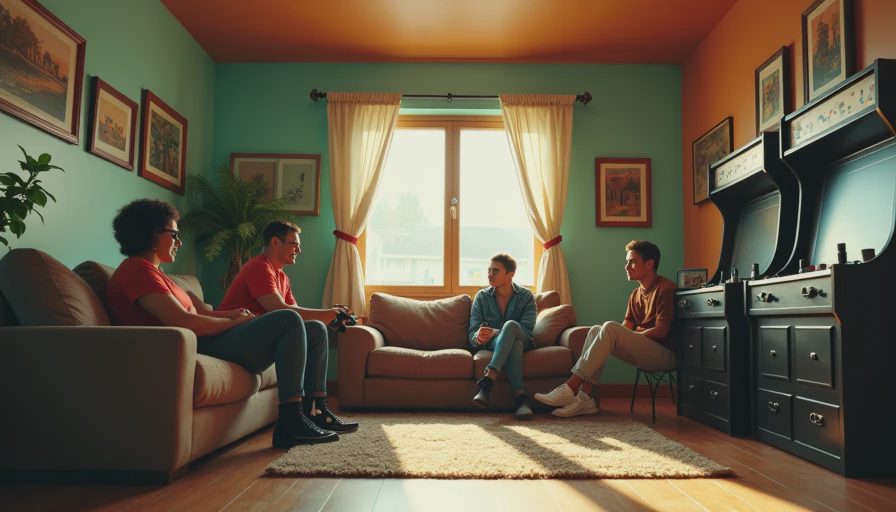
A dated feature deserves criticism when it blocks the main pleasure. Tank controls can make a horror game tense, but they can also make ordinary movement exhausting. Limited inventory space can create meaningful decisions, or it can force repeated trips through the same hallway. Random battles may support a role-playing game’s rhythm, yet excessive encounters can turn a short commute into a chore.
The honest question is whether the friction creates texture or merely wastes time. Resident Evil 4’s older interface is noticeable, but its encounters remain carefully staged. Shadow of the Colossus has camera and performance issues in some versions, but its quiet scale and unusual objectives still feel distinctive. By contrast, a game built around sluggish menu navigation may be less compelling when modern alternatives solve the same problem cleanly.
Do not force yourself to finish an old favorite to prove that you still love it. Ten good hours can be enough, and a partial replay can reveal what the game meant to you. Classic games do not need to win every comparison with current releases. They only need to offer an experience that current releases are not offering in quite the same way.
A simple way to choose your next replay
Start with the time you actually have. For a single weekend, choose something with short chapters, flexible saving, or a clear campaign length. Then choose the version with the least friction, even if it is not the one you owned originally. Look up basic control differences before buying, especially when moving from a console pad to a modern platform with a different layout.
Next, set a fair stopping point. Give the game one substantial session, not ten minutes played while distracted. Notice whether you are enjoying the actions themselves or only waiting for a remembered scene. If the controls improve after practice and the game’s decisions become clearer, continue. If you are repeatedly excusing the same annoyance, move on without guilt.
That approach keeps classic games in their proper place: not sacred objects, not disposable curiosities, but older works competing for your attention today. Some will surprise you with how alive they feel. Some will confirm that your favorite memory was attached to a particular time, friend group, or television screen.
The final call
The best classic games are still worth loading because they offer design clarity, atmosphere, or personality that has not been replaced. The weaker ones can still be interesting, but interest is not the same as enjoyment. If you have six hours this weekend, pick the game whose best qualities arrive quickly and whose dated parts you can tolerate.
My advice is simple: start with the version that removes setup trouble, keep your expectations specific, and give yourself permission to stop. Classic games do not need blind loyalty. They need an honest second look, and the right ones still earn it.


No signals yet — transmit the first.